You have done your research. You know the difference between monocrystalline and polycrystalline panels. You’ve compared inverter brands: SolarEdge, SMA, and Growatt. You have watched dozens of YouTube videos about battery storage and load calculations.
But have you researched the Solar System installer? Sounds odd? It is not

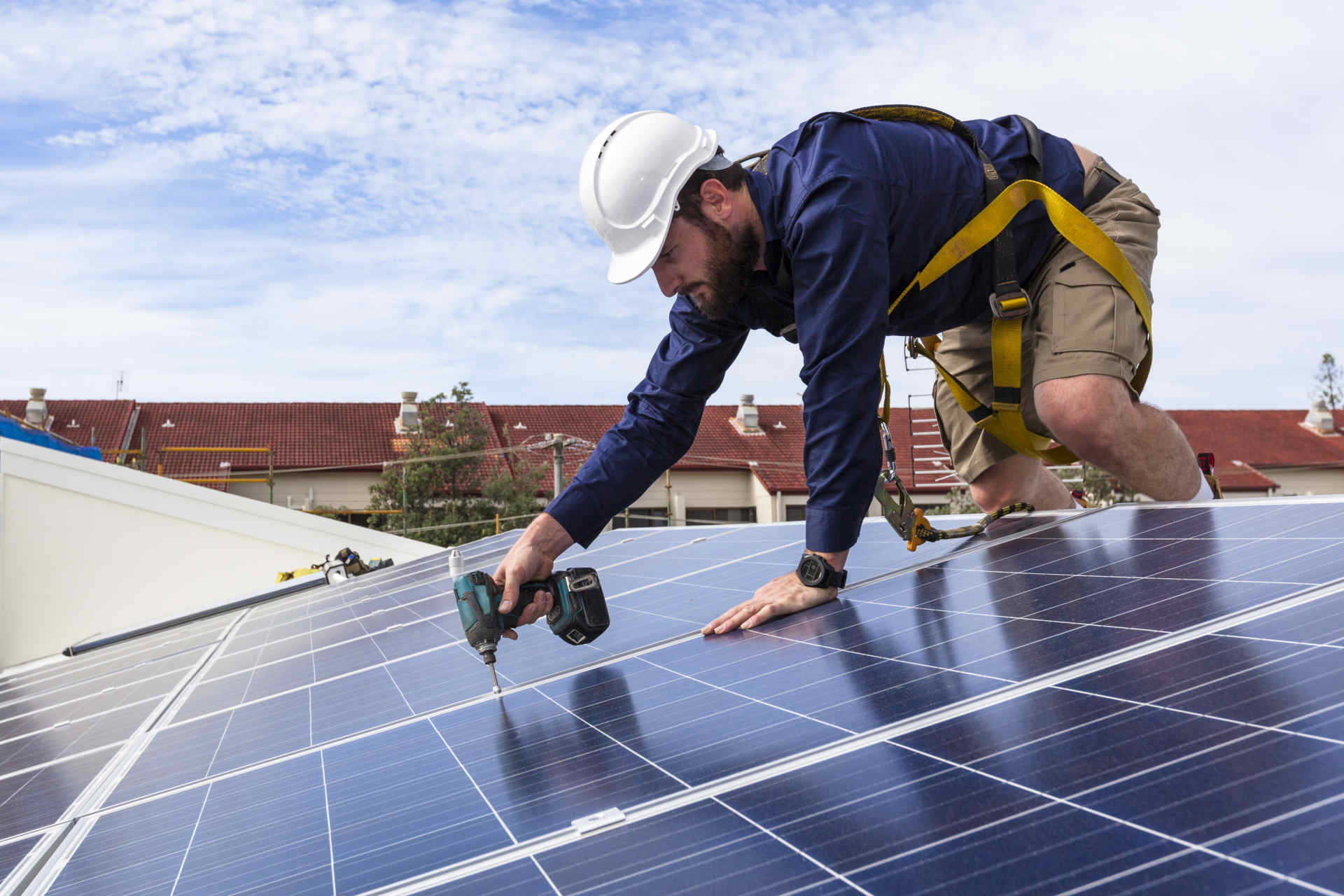
Because this is the question nobody’s asking you: Who’s actually going to climb on your roof and install an energy hub that will be your electricity partner for the next 25 years? Just like you don’t compromise on the solar equipment, you must not compromise on the best solar installer for your home or commercial entities.

Because you can buy the most expensive panels on the market, the slickest inverter, and the most premium mounting hardware and still have a dodgy installer, your investment will still turn into a nightmare. Misaligned panels. Shoddy wiring. A botched roof penetration that lets water in every time it rains. And in the UK, it rains a lot.

The equipment is replaceable. But a ruined roof structure, a voided warranty, or a system that underperforms for twenty years? That costs you more than the whole system ever should have.

So before you go hunting for someone to install solar system at your property, whether it’s your home or your business, stop. Read this first.

1. MCS Certification isn't optional. It's Everything.

In the UK, if your solar system installer isn’t MCS-certified, Microgeneration Certification Scheme, you’re not just taking a risk on quality. You’re locking yourself out of the Smart Export Guarantee.

That’s the government-backed scheme that pays you for the surplus electricity your system exports back to the grid. No MCS certification, no SEG payments. Simple as that.
Beyond the financial hit, MCS certification means the installer has been independently assessed against industry standards.

Their workmanship, their products, and their processes—all of it has been verified by a third party that isn’t them. It’s not a gold star on a homework assignment. It’s proof that someone other than the company itself has said, “Yes, these people know what they’re doing.”
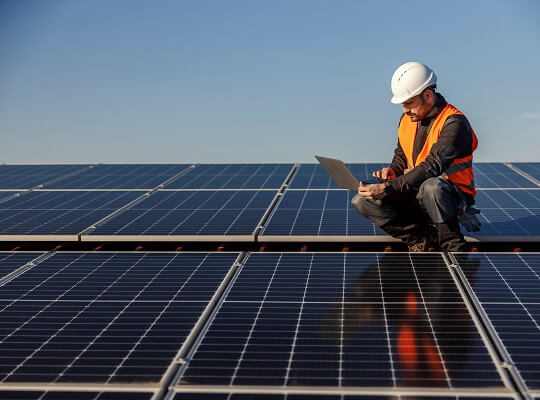
Solar System Installer

When you’re looking for solar system installers near me, MCS certification is the first filter. Before price. Before reviews. Before anything.

2. Experience With Your Specific Property Type Matters More Than You Think

There’s a significant difference between someone who’s spent five years installing solar on standard pitched roofs in new-build estates and someone who’s worked across flat commercial roofs, Victorian terraces, awkward split-level properties, and listed buildings.
The physics of solar is the same. The execution is not.
A system designed for a modern south-facing detached house doesn’t translate directly onto a 1930s semi with a chimney stack blocking afternoon sun and a roof pitch that’s slightly off. The shading analysis changes.

The stringing configuration changes. The mounting approach changes. Get this wrong, and your system generates maybe 70% of what it should, quietly, invisibly, for its entire lifespan.

For commercial solar system installation, this matters even more.

The structural survey requirements are different. The planning considerations are different. The scale of the electrical work is different.

You need someone who has genuinely done this before, not someone who mostly does domestic and is willing to give commercial a go. Ask every installer you speak to: What’s the most similar job you’ve done to mine? Then ask to speak to that customer.

Solar System Installer Near Me

3. A Proper Survey Is Non-Negotiable, Be Wary of Anyone Who Skips It

Any company willing to give you a firm quote before physically visiting your property is either very foolish or not being straight with you.

A proper solar system installation survey covers your roof’s structural integrity, because panels add weight. Before installing the solar system, you must know how much weight your roof can lift.

It covers shading analysis at different times of day and different seasons. It looks at your current electrical setup, your consumer unit, and whether your wiring can handle what you’re adding to it.

It assesses whether scaffolding is needed, how complicated the cable run will be, and whether any building regulations or permitted development rights are relevant to your property.

When a company sends someone to your home or business before quoting, that’s a good sign. When they try to close you on price over the phone without ever seeing your roof, that’s a red flag you shouldn’t ignore.

4. Warranties Mean Nothing If the Company Won't Be Around to Honour Them

Solar panels come with 25-year performance warranties. Inverters typically carry 10 to 12 years. Your mounting system should last the lifetime of the installation.

But those warranties are only as good as the companies behind them, and that includes the installer’s own workmanship warranty.

The UK solar industry has seen its fair share of companies launch aggressively, install at high volume, cut corners on training and aftercare, and then quietly disappear when claims start coming in. The homeowner is left holding a warranty document with a phone number that nobody answers.

Before you commit to anyone to install solar systems at your property, ask directly: how long have you been operating? What does your workmanship warranty cover and for how long? How do I make a claim if something goes wrong in year seven?

A company confident in its work will answer these without hesitation.

5. The Cheapest Quote Is Rarely the Best One

This doesn’t mean overpay. It means understanding what you’re paying for. When one company quotes you £6,000, and another quotes £9,500 for what looks like the same system, the difference is somewhere. Maybe it’s cheaper panels with lower efficiency and faster degradation rates. Maybe it’s a budget inverter without remote monitoring. Maybe it’s a less experienced installation team, faster turnaround, and fewer checks.

Get itemised quotes. Know exactly what panels are being used, what inverter, what mounting system, and what the labour includes.

Then compare like for like. You’ll often find the gap between quotes shrinks considerably when you’re actually comparing the same thing.

The goal isn’t the cheapest solar system installation. The goal is the best-performing, most reliably installed system for a fair price, one that earns back its cost through consistent generation for the next two to three decades.
Here’s what all five of these points add up to: solar is a long game. Done right, it quietly pays you back month after month, year after year, for the better part of your adult life.

When done poorly, it causes problems, disputes, and financial loss that no amount of sunshine can make up for.

Whether you’re a homeowner ready to cut your energy bills or a business owner exploring commercial solar system installation to protect yourself against volatile electricity prices, the installer you choose is as important as every panel, cable, and inverter in the system.

At MAK Energy, we are MCS-certified solar system installers with hands-on experience across domestic and commercial solar system installations across the UK. We don’t quote blindly. We don’t cut corners. And we’ll be here long after your system goes live.

If you’re ready to install a solar system the right way, get in touch with MAK Energy. Tell us about your property, and we’ll tell you exactly what’s possible.

FAQ

Why is MCS certification necessary if I’m not interested in government grants?

Even if you are not interested in getting the SEG scheme, MCS certification guarantees your installer meets high safety and quality standards. In the UK, many building regulations and lenders also insist on MCS-certified installations

Can I get an accurate solar quote online or over the phone?

Yes, you can, but unless an expert visits your property, it’s difficult to give a perfect quote. Before quoting, it is essential to check your roof’s capacity and the electrical compatibility of your home.

What happens to my warranty if the installation company goes out of business?

While product warranties remain valid, workmanship guarantees, such as maintenance and cleaning, vanish when the company closes. Therefore, protect your investment by choosing a trusted installer like MAK Energy

Related Informational Links:

Leave a Reply

Your email address will not be published. Required fields are marked *

This field is required.

This field is required.