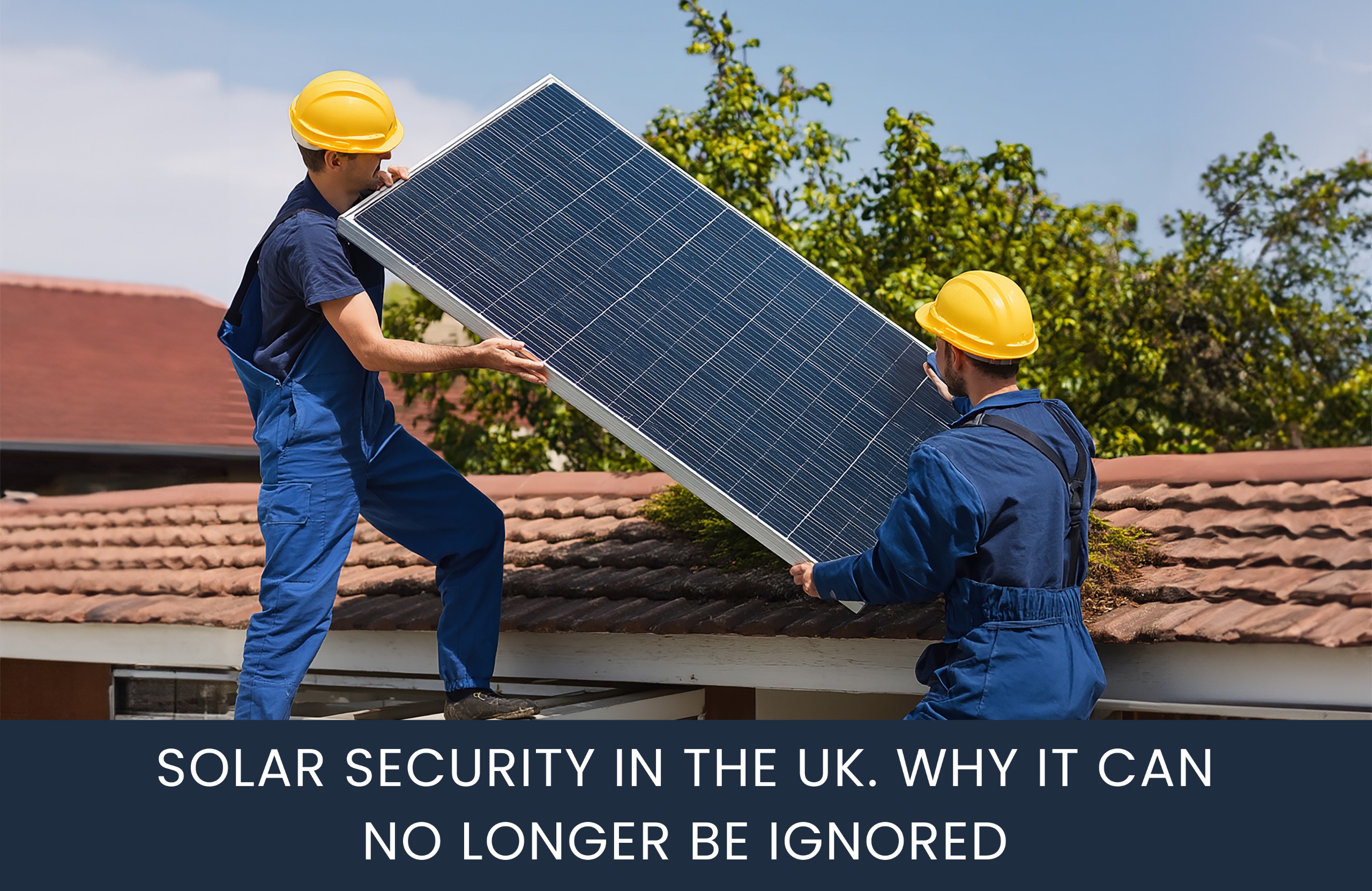
Solar panels are becoming part of everyday life in the UK. Ten years ago, they were mainly seen on eco-focused homes or large commercial sites. Today, they appear on new housing estates, retail units, schools, farms, and warehouses. With government plans pushing Solar Panels into new-build homes, this growth will only accelerate.
As someone who has worked in renewable energy content for more than fifteen years, one pattern keeps repeating. Technology moves fast. Adoption grows quickly. Security comes later.
Solar power has now reached a point where security can no longer be treated as an afterthought.
A solar installation is not just a green upgrade. It is an energy asset. It produces electricity every day. It offsets rising bills. It supports grid stability. When that asset is damaged or interfered with, the consequences are immediate and costly.
Why Solar Security Matters More Today
Modern solar systems carry real value. Panels contain materials that can be resold. Inverters and batteries are compact and expensive. Copper cabling remains a high-risk target.
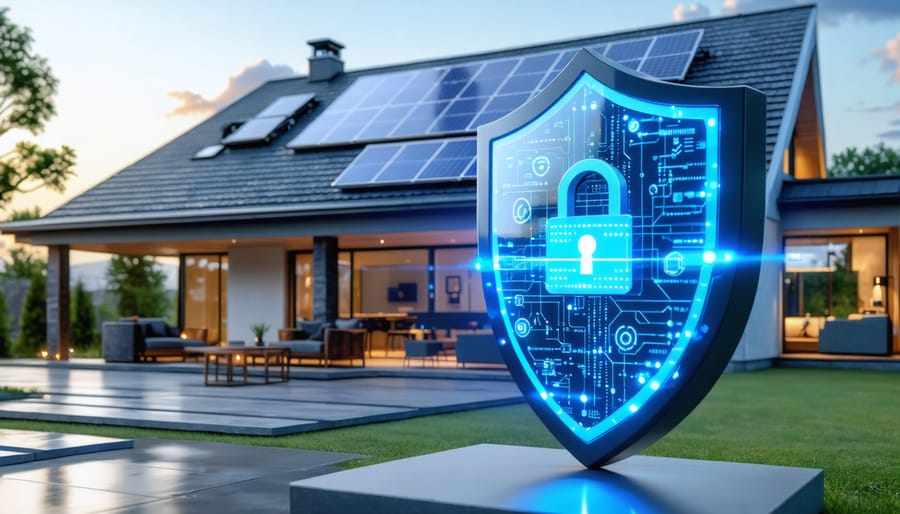
As resale markets expand, solar equipment becomes more attractive to thieves. At the same time, solar power is becoming part of national energy resilience. Homes rely on it to manage energy costs. Businesses depend on it to maintain stable operations.
When a system is compromised, the impact goes beyond repair bills.
You may face:
- Loss of generation
- Downtime during high tariff periods
- Delayed insurance claims
- Reduced long-term efficiency
Security protects performance. It protects savings. It protects continuity.
The Real Risks Facing Uk Solar Installation
Security risks differ depending on location and system type. Rural properties face a higher theft risk. Urban rooftops face access and vandalism issues. Commercial sites face long unattended periods.
Common risks include:
- Theft of panels, inverters, and copper wiring
- Vandalism causing hidden electrical faults
- Unauthorised access creates safety hazards
- Weather damage that goes unnoticed
- Interference that reduces output over time
In many cases, owners only discover problems after performance drops. By then, damage may already be done.
Why Layered Security Works Best
There is no single solution that fully secures a solar system.Effective protection comes from combining measures.
Strong security focuses on three areas.
- Visibility
- Deterrence
- Control
Each layer reduces risk. Together, they make your system harder to target and easier to manage.
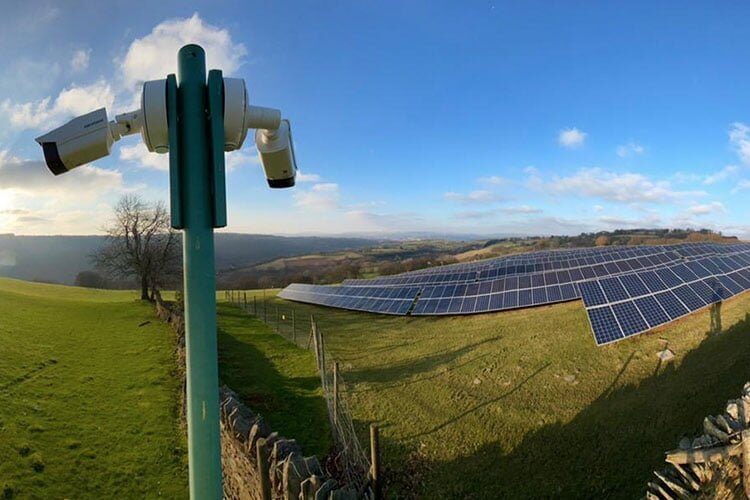
Cameras Create Visibility
Cameras remain one of the most effective solar security tools. They do more than record incidents. They change behaviour. Modern IP cameras allow you to monitor your system remotely. You can check live feeds, review footage, and receive alerts when movement is detected. Many systems now reduce false alerts caused by weather or wildlife.
Cameras should cover:
- Panel arrays
- Inverter and battery locations
- Access points such as ladders or roof hatches
- Ground-level cabling
Visibility discourages tampering and provides evidence when needed.
Lighting Acts As A Strong Deterrent
Motion-activated lighting is simple and effective. Intruders rely on darkness and cover. Light removes both.
Lights placed near access points and critical equipment expose movement instantly. They also improve camera footage at night. LED lighting keeps running costs low while delivering strong illumination.
Sudden light draws attention. Attention discourages intrusion.
Physical Barriers Still Matter
Digital security is important, but physical protection should not be ignored.
Ground-mounted systems need fencing. Rooftop systems need controlled access points and locked enclosures. Barriers slow down intrusion and increase the chance of detection.
Effective options include:
- Anti-climb fencing
- Reinforced inverter cages
- Lockable access points
These measures signal that the site is protected and monitored.
Intrusion Detection Provides Early Warning
Sensors add awareness when no one is watching.
Infrared and vibration sensors detect movement or tampering and send alerts in real time. This is especially useful for remote sites, weekends, and nighttime periods.
Early alerts allow faster response. Faster response limits damage.
Access Control Reduces Internal Risk
Not all risks come from outside.
Access control systems limit who can interact with your solar equipment. Digital access allows permissions to be granted, tracked, and revoked easily.
This improves accountability and reduces accidental damage during maintenance or unauthorized adjustments.
Insurance And Long Term Value
Insurers increasingly assess solar security when setting premiums or handling claims. Poor protection can affect outcomes.
Documented security measures support insurance claims, compliance checks, and asset valuation. They also demonstrate responsible ownership.
Security is not only about prevention. It is about proof
Solar systems are built to last twenty to thirty years. Over that time, energy prices will rise, and grid pressure will increase. Solar output will matter more, not less.
Protecting your system today protects its performance tomorrow. It reduces downtime. It preserves savings. It ensures your renewable energy investment continues to work without interruption.
A secure solar installation is a reliable one. As solar becomes standard across the UK, security will become part of good ownership, not an optional extra.
For reliable, secure, and cost-effective solar installation for your home or business, contact MAK Energy. We are MCS-certified solar installers with over 15 years of experience installing solar PV systems for residential and commercial properties.
Get your quotation today and benefit from a free online survey and free solar consultation services.