
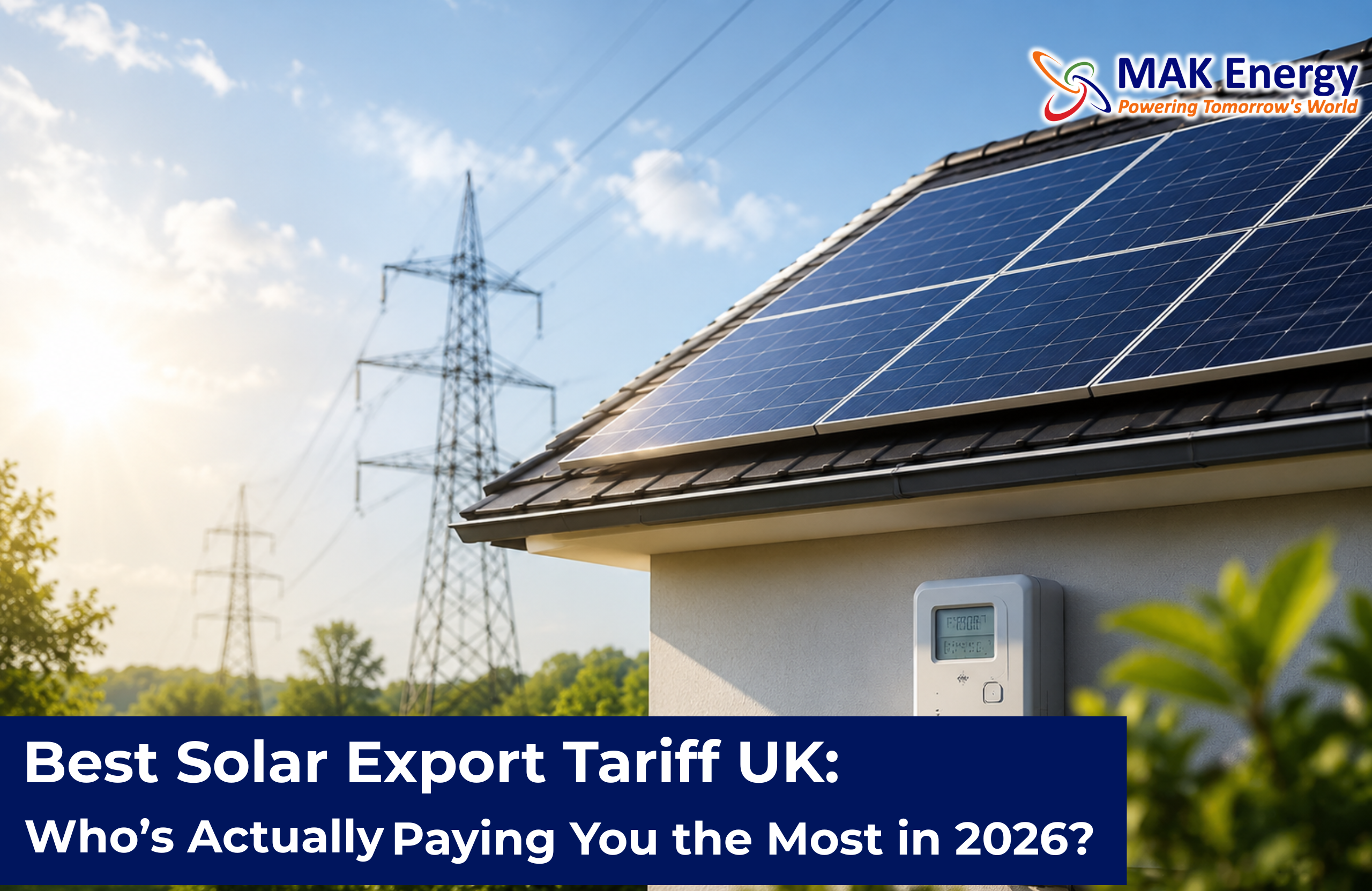
Here’s something that catches most solar panel owners off guard: you can switch who pays you for your exported electricity without switching who you buy electricity from. Two completely different decisions, two completely different suppliers, and most people don’t realize it until they’re months (sometimes years) into overpaying themselves out of free money.
If you’ve got panels on your roof, every unit of electricity you don’t use gets sent back to the National Grid. Someone has to pay you for that. The question is simply: who pays you the most?
That’s what the Smart Export Guarantee, or SEG, is all about. And the gap between the worst tariff and the best one isn’t small change. We’re talking the difference between a few quid a month and several hundred pounds a year, just for sending the exact same electricity to the same grid.
So let’s break down what’s actually on offer right now, who qualifies for what, and how to work out which export tariff makes the most sense for your home.
What Is the Smart Export Guarantee, Really?
The SEG replaced the old Feed-in Tariff back in January 2020. Ofgem requires any electricity supplier with more than 150,000 customers to offer at least one export tariff to homes generating their own solar power.
Here’s the part most people miss: Ofgem doesn’t set the rate. Each supplier decides that for themselves. Which is exactly why one supplier might pay you 5p per kWh and another might pay 25p for the same electricity, exported on the same day, from the same kind of solar system.
Your smart meter handles the tracking. It logs exactly how much electricity flows out from your home to the grid, separately from what you’ve used yourself, and your supplier pays based on that figure. You don’t need to do anything manually once you’re set up.
Who’s Paying the Best SEG Rates Right Now?
This is the bit everyone actually wants to know, so here’s the honest picture as things stand:
For flat-rate exports (no battery needed): Good Energy currently leads the pack with a flat rate sitting around 25p per kWh, though their highest rate is usually reserved for customers who had their solar and battery installed through their own network. Without that, their standard rate still holds up well against most competitors. EDF follows close behind with a fixed 24p per kWh on a 12-month export deal, again tied to installing through them.
If you don’t want to switch your import supplier or buy your system through a specific installer, the open-to-all rates are lower but still worth having. Several mainstream suppliers sit somewhere in the 6 to 15p range for customers who simply want export payments without jumping through extra hoops.
For battery owners, the maths changes completely. Time-of-use tariffs like Octopus’s variable export options pay drastically more during peak evening hours, sometimes climbing past 25 to 30p per kWh for short windows when grid demand is highest. If you’ve got a battery and can hold your exports back until the evening peak, this is where the real money sits.
Worth saying clearly: rates move. Suppliers can adjust their SEG pricing with around 30 days’ notice, so whatever’s top of the table today might not be in six months. Always check the live rate directly with the supplier before signing up.
Fixed vs Variable Export Tariffs: Which Suits You?
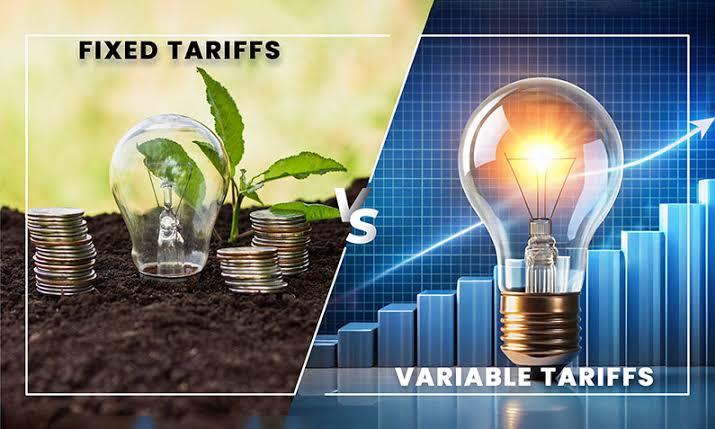
Fixed (flat) tariffs pay the same rate no matter when you export. Simple, predictable, easy to budget around. If you don’t have a battery, you’re exporting mostly during the day when your panels are generating more than your home is using, so a flat rate is usually your best bet. There’s nothing to “time,” so a steady rate beats chasing peaks that don’t apply to you anyway.
Variable tariffs track wholesale electricity prices, which change every half hour. These can pay considerably more during high-demand evening periods, but only if you’ve got a way to control when your electricity actually leaves the house. Without a battery, your exports happen whenever your panels are producing more than you’re using, which is rarely the expensive part of the day.
So the honest answer is: no battery, go fixed. Got a battery and an inverter set up to manage it, variable tariffs can genuinely outperform any flat rate on the market.
Does Your Export Supplier Have to Be Your Energy Supplier?
No, and this is the detail that saves people real money. You can buy your electricity from one supplier and sell your solar exports to a completely different one. Plenty of UK solar households do exactly this: they keep a cheap import deal with one company and register their SEG export with whoever’s paying the most that month.
A few suppliers do require you to be their import customer to access their best export rate, so it’s worth checking the fine print. But the underlying rule stands: don’t assume you’re stuck with your current supplier’s export rate just because that’s who sends you your electricity bill.
How Much Could You Actually Earn?
Take a typical home with a mid-sized solar setup. If you’re exporting somewhere around 2,000 kWh a year, the difference between a poor legacy rate and a strong current one can work out to roughly £150 to £400 extra annually, just from switching where your export payments land. Households with batteries chasing peak time-of-use rates can push that figure even higher.
If you signed up for your SEG tariff a couple of years ago and haven’t looked at it since, there’s a good chance you’re sitting on an outdated rate while newer customers earn two or three times more for the exact same electricity.
How to Switch Your SEG Tariff
Switching is far less hassle than people expect:
- Check your current rate. Look at your last few statements or log into your account to see what you’re currently being paid per kWh.
- Compare current offers. Rates shift often enough that it’s worth checking every six months or so, especially if you’re on a tariff that’s been running for over a year.
- Apply with the new supplier. Most SEG applications take around 30 minutes online. You’ll usually need your MCS certificate, your meter details, and your existing export data.
- Confirm your export readings continue. Your smart meter keeps recording regardless of supplier, so there’s no disruption to your generation while the switch goes through.
There’s no cost to switch and no lock-in beyond the term of the tariff you choose. If your current deal has you on anything below 10p per kWh and you don’t have a strict contractual reason to stay, it’s almost certainly worth a closer look.
At MAK Energy, we help homeowners understand not just how solar panels perform, but how to get the most out of every unit they generate, including the export side most installers don’t bother explaining properly.
FAQs
Do I automatically get SEG payments once I have solar panels?
No. You need to actively register with an SEG supplier and have an MCS-certified installation plus a compatible smart meter before payments start.
Can I get SEG and the old Feed-in Tariff at the same time?
No. If you’re still on FiT from before 2019, you keep receiving those payments, but you can’t also claim SEG for the same installation.
Does a battery affect how much I can earn from SEG?
Yes, in two ways. A battery reduces how much you export because you’re using more of your own generation, but it also lets you target high-paying export windows on variable tariffs, which can increase your per-unit earnings.
Is it worth switching SEG suppliers if the difference is only a few pence?
Usually, yes. A few pence per kWh sounds small, but multiplied across a year of exports, it typically adds up to a meaningful amount, often more than people expect for so little effort.
How often should I check my SEG rate?
Roughly every six months. Rates can change with around 30 days’ notice, and new suppliers regularly enter the market with competitive offers to attract solar households.