Staring at the solar PV system specifications can feel like reading a foreign language. But choosing between a 3kW, 4kW, 5kW, 6kW, or 10kW system isn’t just about the numbers; it’s about how your home actually breathes and consumes energy.

At MAK Energy, we’ve moved past the “one-size-fits-all” approach. In 2026, with energy prices remaining a moving target, your choice of solar panels needs to be a calculated investment. Here is the lowdown on the most common roof setups in Britain.

Breaking Down the Sizes: From Terraces to Estates

The 3kW Solar System in the UK

If you live in a smaller semi-detached or a flat with its own roof space, a 3kW solar system in the UK is usually your best starting point. Typically using about 7 to 8 panels, it’s designed for households with a lower baseload. Think of couples who are out during the day and just need to keep the essentials ticking over.

The 4kW Solar System

This remains the most popular choice for a reason. For the average three-bedroom family home, a 4kW solar system hits that perfect balance. It fits comfortably on most standard UK roof pitches and generates enough “free” juice to run the dishwasher and laundry without constantly dipping back into the grid.

5kW & 6kW Solar Systems in the UK

If you’ve recently ditched the petrol car for an EV or installed a heat pump, you’ll likely need the extra energy of a 5kW or 6kW solar system. These larger arrays are designed to feed a high-capacity solar battery, ensuring you have a massive reservoir of power for those dark winter evenings.

10KW Solar System

The 10kW Solar System: The Ultimate Power Station

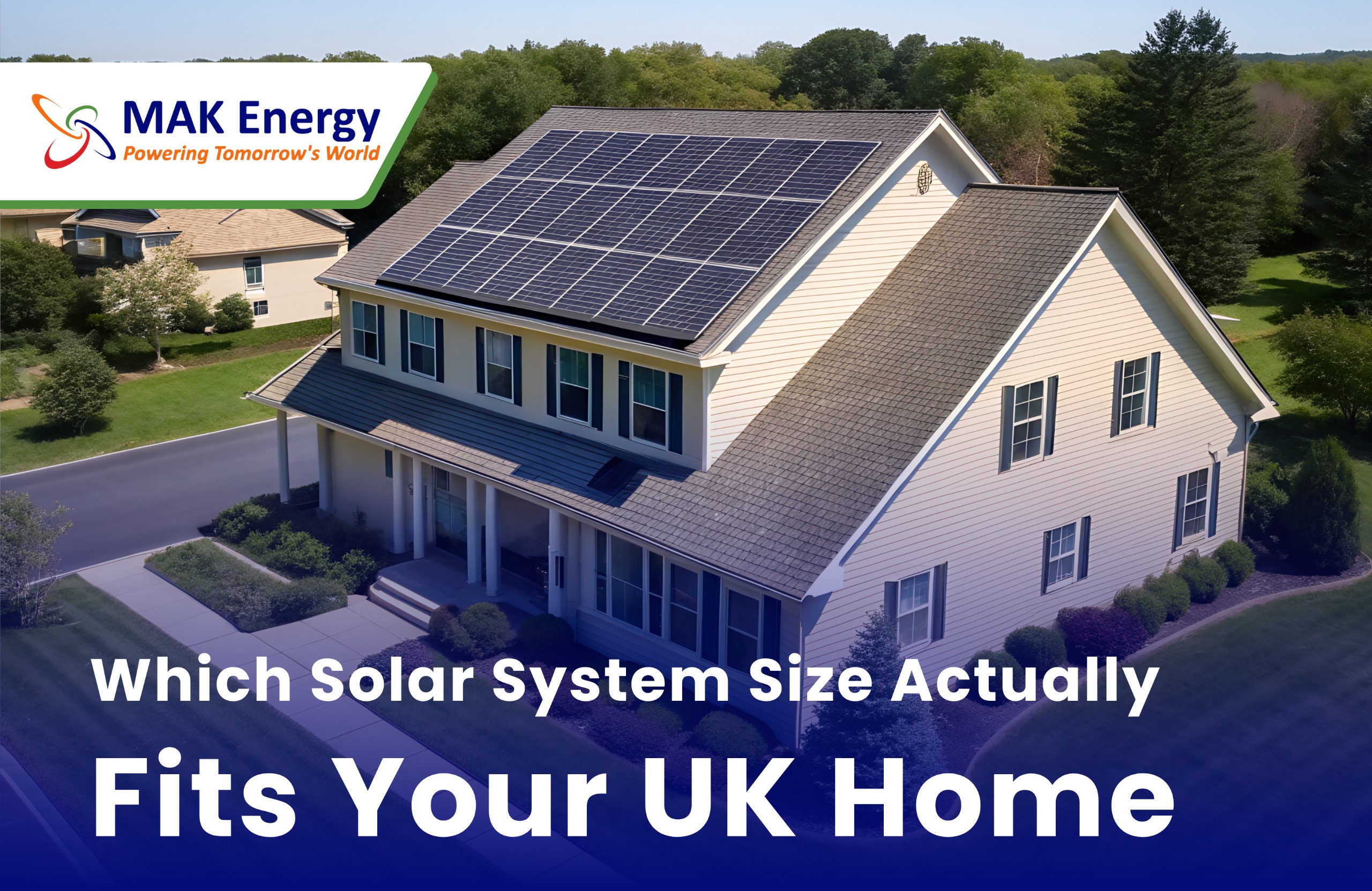
For sprawling detached properties or homes with heavy electrical demands (like a heated home office or a swimming pool), a 10kW solar system is the gold standard. You’ll need a fair bit of roof real estate, roughly 50 square meters, but the payoff in grid independence is unmatched.

2026 Comparison: Expected Costs & Savings

System Size Ideal Household Panel Count Cost (Inc. Battery) Est. Yearly Savings
3 kW 1-2 People 7-9 £7,200 – £8,800 £600 – £750
4kW Average Family 10-12 £8,500 – £11,000 £800 – £1,050
5kW Large Family + EV 12-14 £10,000 – £12,500 £1,100 – £1,400
6kW All-Electric Home 15-18 £12,000 – £14,500 £1,400 – £1,750
10kW Large Estates 24-26 £17,500 – £21,000 £2,100+

How to Benefit from the SEG Scheme

Every unit of energy you don’t use gets squeezed back into the grid, and your supplier pays you for it. However, the real “pro move” in 2026 is using a high-spec solar inverter to prioritize charging your own Solar Battery Storage first. Selling your power for 10p just to buy it back at 30p later that night doesn’t make sense—keeping it “in-house” is where the real profit lies.

Why Trust MAK Energy with Your Install?

A solar system is only as good as the mounting structure holding it down and the engineering behind the scenes. We don’t just “slap panels on a roof.”

Smart Tech: We pair your panels with a top-tier solar inverter for maximum efficiency.

Tough Builds: Our mounting structure hardware is rated for high-wind UK coastal areas.

Seamless Process: From the initial MCS certification to the final DNO sign-off, we handle the boring bits.

FAQ

Does 2026 require special planning permission?

Usually, no. Most UK installs fall under “Permitted Development.” As long as you aren’t in a Grade I listed building or a strict conservation zone, you’re usually good to go.
What happens if the grid goes down?

Most standard setups cut out for safety. But if we install your system with a solar battery featuring an EPS (Emergency Power Supply), your house stays lit while the neighbours are in the dark.

How heavy are these systems?

A standard panel is roughly 20 kg. While it sounds heavy, modern roofs are designed to handle far more. We always conduct a structural check before we even touch your tiles.

Leave a Reply

Your email address will not be published. Required fields are marked *

This field is required.

This field is required.