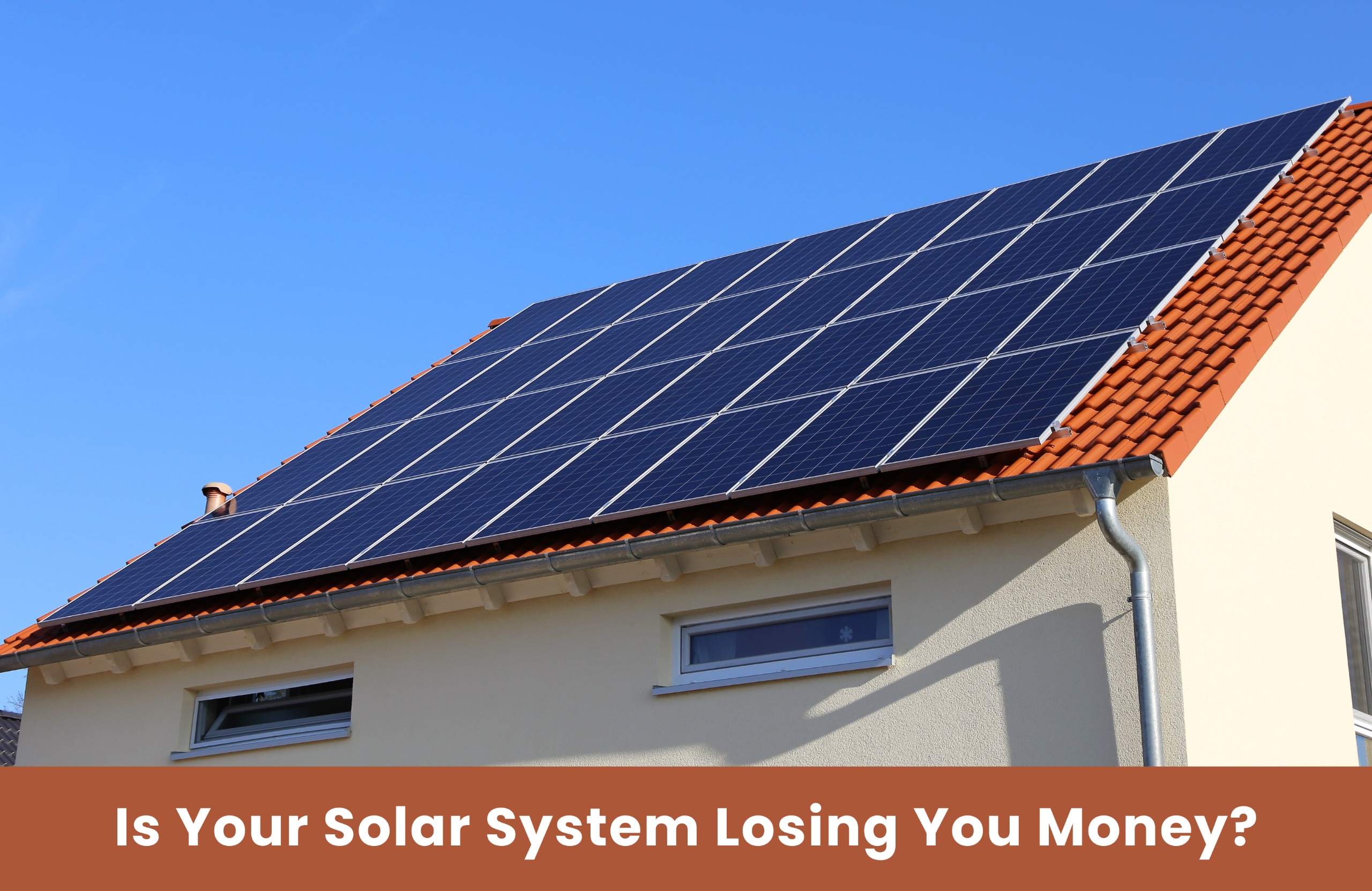
When you first had your solar panels installed, you likely felt a sense of pride watching your energy bills plummet. But as the months turn into years, that “set and forget” mindset can become a silent drain on your bank account. In the UK, where we battle everything from Saharan dust and coastal salt to the inevitable pigeon “gifts,” a neglected solar array is an underperforming one.
At MAK Energy, we’ve seen it all, from systems losing 20% of their efficiency due to a layer of grime to inverters failing just because they weren’t checked for ten years. Solar Panels are remarkably durable, but they aren’t immortal.
Here is the truth about solar maintenance in the UK and why a little care today saves you thousands tomorrow.
Let’s find out.
1. The Rain Will Clean Them is a Myth
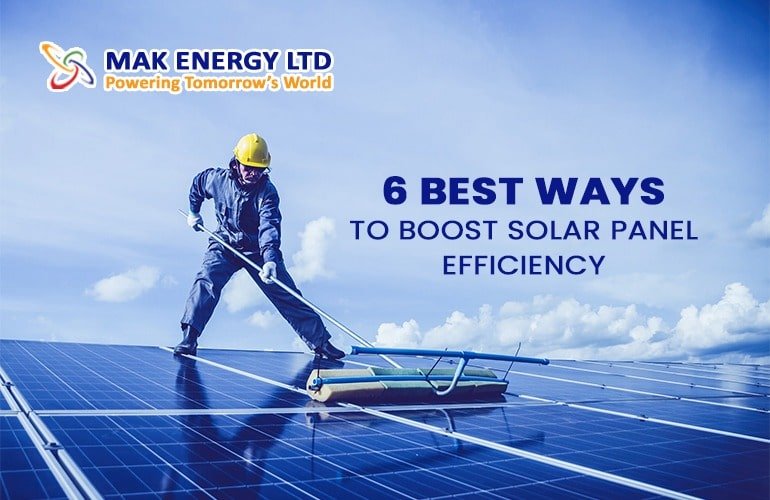
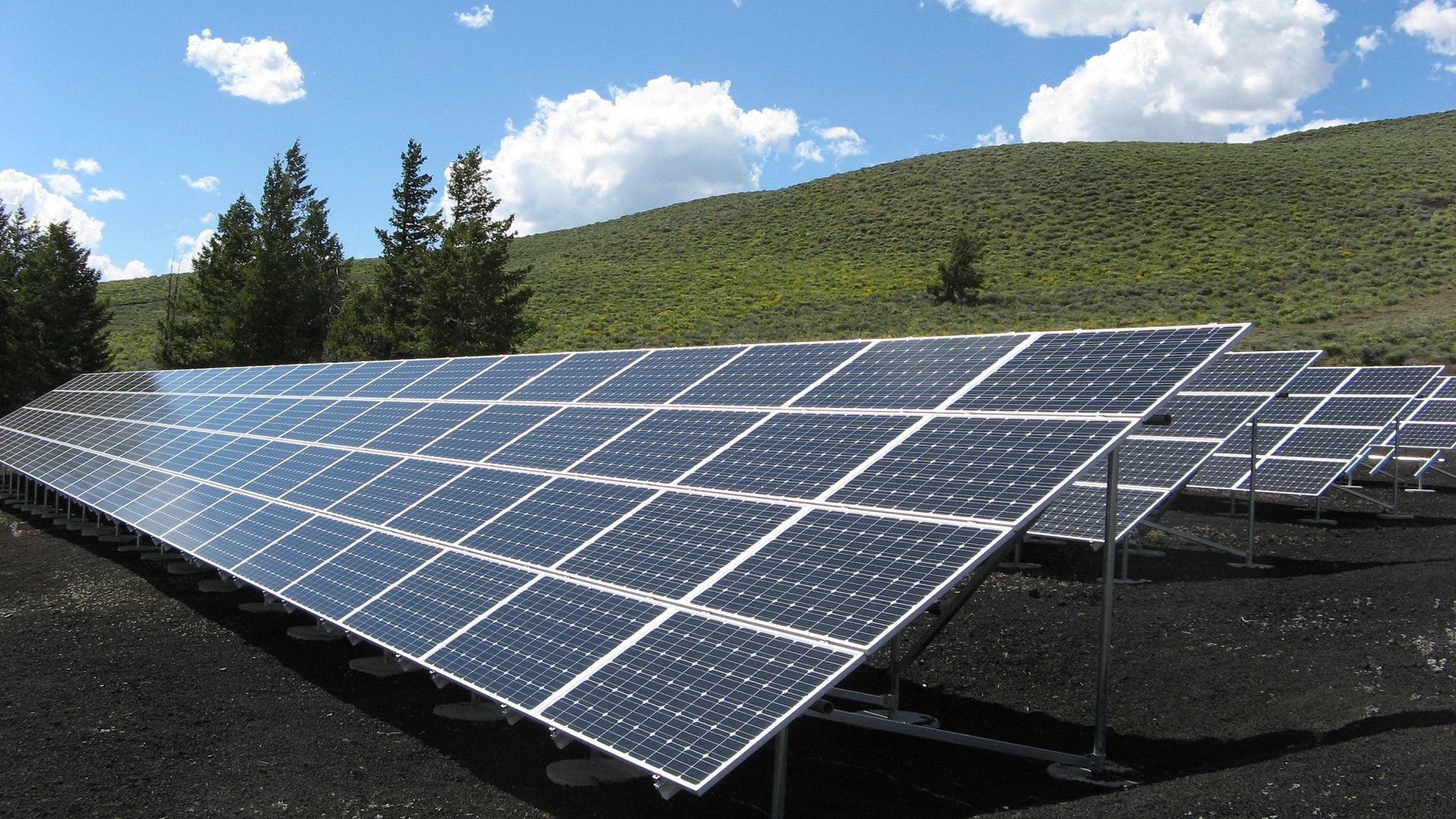
One of the biggest misconceptions in the UK is that our frequent rainfall is enough to keep panels clean. While a downpour might rinse off loose dust, it doesn’t touch the sticky stuff: bird droppings, lichen, tree sap, and traffic pollution.
Why Your Inverter Is the Heart That Needs a Check-up
If your panels are the lungs of your system, the inverter is the heart. It’s the hardworking box that converts the sun’s DC power into the AC electricity your kettle and TV use.
Most solar panels are warranted for 25 years, but inverters typically have a lifespan of 10 to 12 years. Without regular electrical testing, an inverter can begin to underperform or fail without you even noticing—unless you’re checking your generation meter every single day.
Our maintenance service includes a comprehensive diagnostic of your inverter’s health, ensuring the firmware is up to date and the connections are secure. Catching a failing capacitor early can mean a simple repair instead of a £1,000 replacement.
How to Deal with Pigeons?
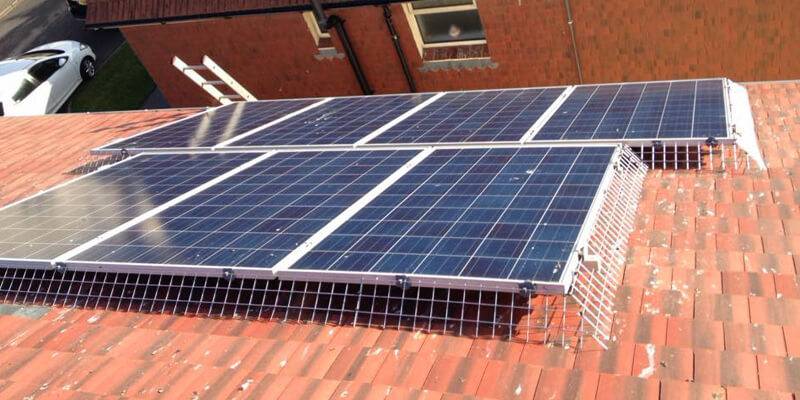
It’s a common UK problem: pigeons love the warmth and shelter beneath solar panels. While they might seem harmless, their nesting materials can block airflow, causing panels to overheat (which reduces efficiency). More importantly, their droppings are acidic and can eventually damage the panel’s protective coating.
Get more information from: Pigeon Proofing for Solar Panel
At MAK Energy, we offer specialized bird proofing—a discreet mesh that surrounds your array. It’s a permanent solution that stops years of grime buildup and eliminates the genuine fire hazard posed by dry, flammable nesting materials.
Why Doing It Yourself Is Not Worth the Risk
One of the most frequent questions we get is, “Can I just hop on the roof and blast them with a pressure washer?”
Honestly? We really wish you wouldn’t. Most people don’t realize that solar glass has a specialized anti-reflective coating. If you hit it with high pressure or use standard household detergents, you can strip that layer right off. The result? Your panels absorb less light, and your manufacturer’s warranty is instantly voided.
Electrical Hazards: Solar arrays are live electrical systems. Cracked glass or frayed wires (often caused by squirrels) can lead to serious shocks if you aren’t trained to spot them.
Micro-cracks: Walking on panels or applying uneven pressure can cause micro-cracks and small fractures that are invisible to the eye that eventually kill the panel’s output.
5. What a Professional MAK Energy Service Includes
When we visit a property in Essex, London, or across the UK, we don’t just wipe the glass. Our comprehensive maintenance check-up includes the following:
Visual Inspection: Checking for cracks, hotspots, or snail trails in the cells.
Electrical Testing: Testing DC strings and AC circuits to ensure no power is being lost.
Deionised Water Clean: We use pure, mineral-free water that leaves no streaks or residue.
Mounting Check: Ensuring the UK’s high winds haven’t loosened the roof fixings.
Performance Audit: Comparing your actual yield against what your system should be producing.
So, how often do you actually need to do this?
It is a million-dollar question. For the average UK home, a professional health check every two years is usually the best. As for cleaning, getting the grime shifted once a year, ideally in the spring, is the best way to make sure your system is ready to soak up every drop of summer sun.
At the end of the day, you didn’t install solar just for the look of itm you did it to slash your bills and do your bit for the planet.
Skipping maintenance is a bit like buying a premium car and then never bothering to change the oil. Sure, it’ll keep moving for a while, but it’s never going to give you that top-tier performance you actually paid for.
Is your solar system performing at its peak? Don’t wait for your energy bill to spike before you take action. And call MAK Energy for inspection.