Last updated: March 27th, 2026 at 10:50 am
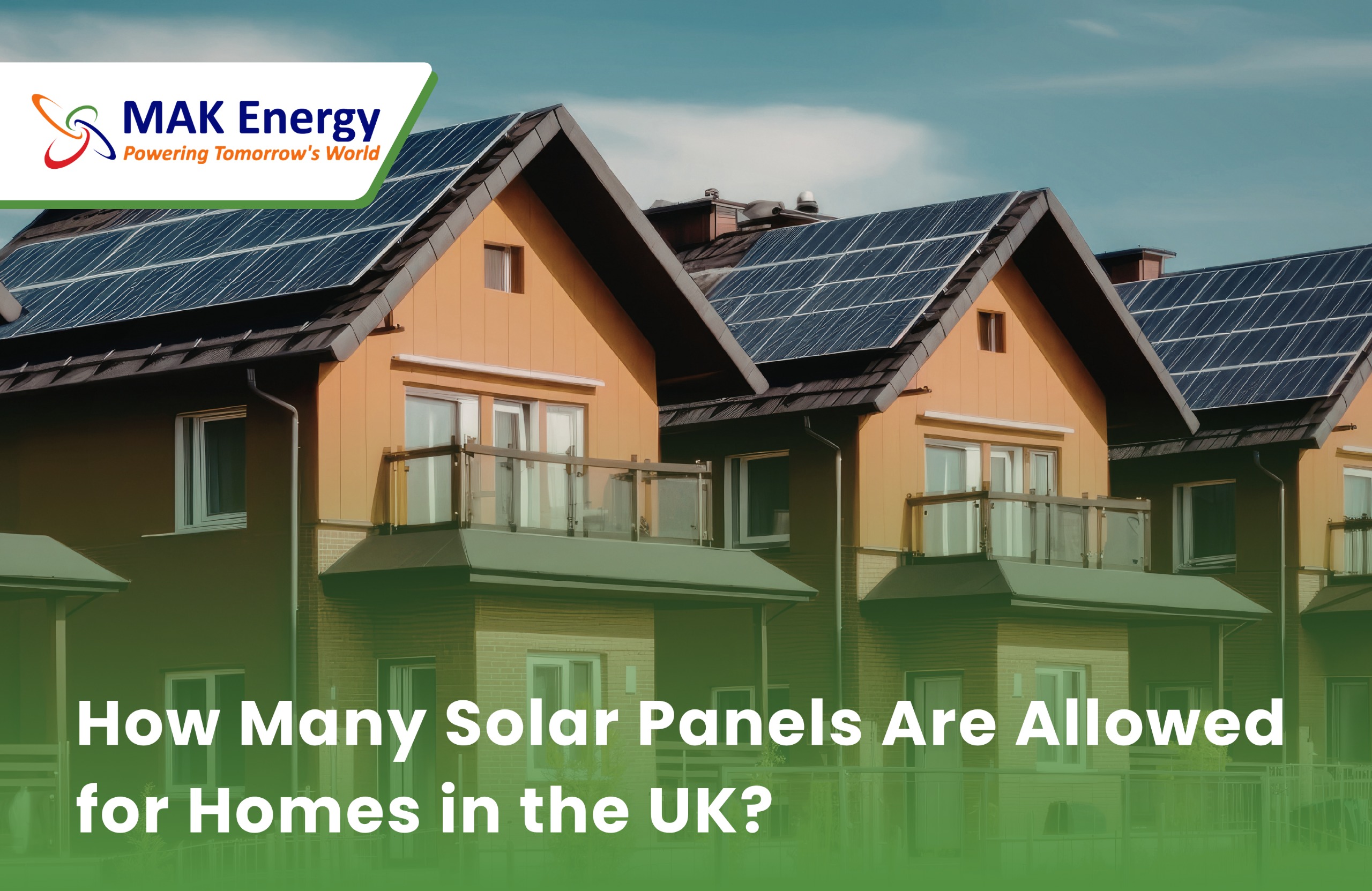
In most cases, you do not need DNO (Distribution Network Operator) permission for solar panel installation in the UK. There are no restrictions on the maximum number of solar panels allowed in the UK, but there are limitations on how much power your solar system can generate. Nonetheless, a single-phase connection home can have a maximum of a 4 kWp solar system, while a three-phase connection can install up to an 11.04 kWp solar system.
For Solar PV Installation over a certain size, you will need to obtain permission from the DNO before installation can proceed.
In this article, we will explore the maximum number of solar panels allowed in the UK, why you need DNO permission for larger system sizes, who the DNO is, and how long the DNO permission process usually takes.
Why are there system size limits?
There’s a well-balanced infrastructure system between your home and the national electricity grid, and this system is managed by what we call the Distribution Network Operator, or DNO. The DNO’s job is to make sure everything runs smoothly and safely.
Now, when it comes to solar panels, they’re great at generating electricity, especially during sunny peak hours. Sometimes, they produce more electricity than your home actually needs. When this happens, the extra power can be sent back to the grid. But here’s the catch: sending back too much power all at once can put the infrastructure at risk of damage. So, if you want to install a larger solar PV system, you absolutely need approval from the DNO to make sure things stay safe and stable.
If your system produces under 4kWp on a single-phase connection or under 11.04kWp on a three-phase connection, you’re in the clear, and you don’t need prior permission from the DNO. But if you’re thinking about going bigger, you’ll definitely need that DNO green light before you can proceed with the installation.
Who is the DNO?
DNO stands for Distribution Network Operator. They are the companies responsible for operating and maintaining the electricity distribution network in the UK. The DNOs are also responsible for managing the connection of Solar Panels to the electricity network.
DNOs have specific requirements for the maximum export of electricity, which is typically limited to 3,680 kWh and 16 amps. So, if you’re installing a 4 kWp solar system, your inverter would typically have a 3700 kW capacity to restrict the maximum export.
However, if you plan to install a larger system, like a 10kWp setup, you’ll need to submit an application to the DNO. They will then conduct a network study before approving a system of this size, and there may be associated costs to consider during this process.
How Many Solar Panels Can I Have?
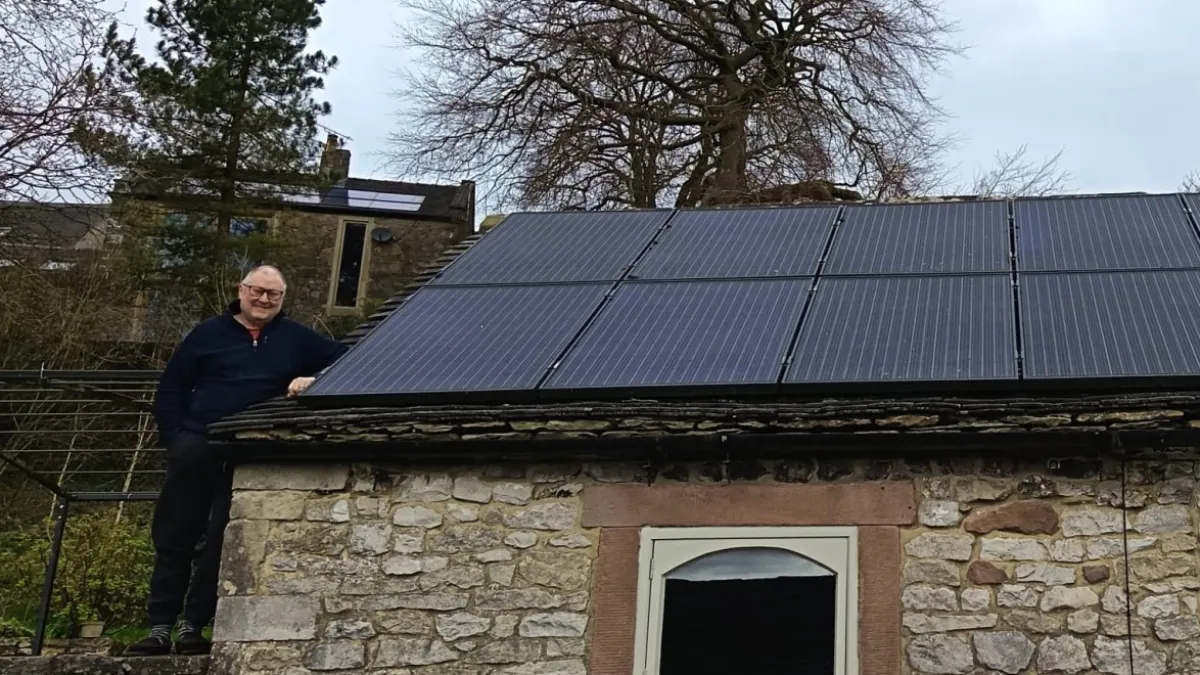
Must Visit Here: 6 Reasons Why You Should Install a Solar Panel in the UK
In an environment where energy prices are forecasted to stay volatile through 2027, having a consultant ensures you don’t miss the window to lock in your savings.
What is the maximum solar PV system size for a single-phase connection in the UK?
The maximum solar on a single phase in the UK is 3.68 kW. This is based on the lower of the following:
- The rating of the inverter (based on 230V)
- The sum of the ratings of the PV panels, multiplied by the maximum efficiency of the inverter.
For example, if your inverter has an efficiency of 92%, you could have a 4kW solar PV system installed and still qualify, as 4kW x 92% = 3.68kW. An inverter for a 4kW solar PV system might be sized at less than 4kW.
If you want to install a solar PV system that is larger than 3.68 kW, you will need to obtain permission from your Distribution Network Operator (DNO). The DNO will need to assess whether your local network can cope with the additional load. Without DNO permission, the maximum solar on a single phase in the UK is nearly 4 kWp.
Is There Any Limit to How Many Solar Panels You Can Have?
How Many Solar Panels to Power A House in UK
| Annual electricity consumption | Number of solar panels |
| 2,000 kWh | 8 |
| 3,000 kWh | 12 |
| 4,000 kWh | 16 |
| 5,000 kWh | 20 |
| 6,000 kWh | 24 |
How Many Solar Panels Do I Need in the UK?
The answer to the question “how many solar panels do I need in the UK” isn’t straightforward because every individual has a unique energy demand, available roof space, and sunlight hours. The number of solar panels required to power your house in the UK will depend on several factors, including:
- Your annual electricity consumption
- The size and orientation of your roof
- The amount of sunlight your roof receives
- The efficiency of the solar panels you choose
As a general rule of thumb, you can expect to need four solar panels for every 1kW of your annual electricity consumption. So, if your annual electricity consumption is 4,000 kWh, you will need 4kW of solar panels, which is about 16 solar panels.
Final Thoughts
It may come as a surprise to many that homeowners in the UK are limited to a maximum of 4kWp for their solar systems with a single-phase connection. However, you can opt for a larger solar PV system with prior permission from the DNO. When it comes to the number of solar panels allowed in the UK, you have complete freedom to install as many panels as you desire, subject to available rooftop space and DNO regulations.
Learn how many solar panels are allowed for UK homes. Understand rules, limits, and planning conditions before installing your solar system.