Last updated: December 18th, 2025 at 05:46 am
The UK energy system has undergone significant changes in recent years, faster than most people realize. You might not believe it, but more than half of our electricity now comes from renewables, mainly wind and solar PV systems. A large share of electricity demand is now met by wind power. According to some sources, on some days, wind power alone can supply millions of homes. That is a big shift in a very short time.
So when you see headlines about blackouts, it makes you pause. Are we still facing blackouts in the 21st century? Yes, we are.
You start thinking about cold evenings, food in the freezer, WiFi going down, and whether the grid can really cope.
Here is the honest part. Blackouts make news because they feel personal. You only need one bad outage to remember how dependent daily life is on electricity. Charging your phone. Heating your home and keeping traffic moving, and keeping hospitals running. When countries like Spain and Portugal lose power for hours, it feels close to home.
The good news is that the UK grid is more resilient than the headlines suggest. The risks are real, but they are managed every day by systems most people never see. This guide breaks it all down clearly. What actually causes blackouts? How likely they are. And what solar and battery systems can realistically do to protect your home, without the hype
Are Blackouts A Real Threat In The UK
Blackouts are serious events, and no one can deny them. They disrupt daily life and can become dangerous if they are prolonged. In April, Spain and Portugal experienced a major outage that lasted almost ten hours. And due to this outage, transport systems stopped. And the country failed to control the traffic. Due to these blackouts, emergency services were also delayed. So definitely, this could also happen in the UK, which can make many UK residents uneasy.
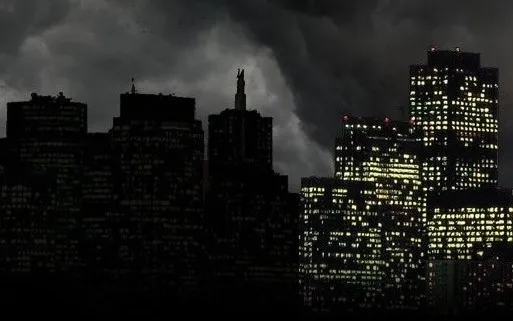
In reality, the risk here remains low. The UK government’s National Risk Register estimates only a one to five percent chance of a national or regional grid failure within the next five years. The system is under pressure, but it is far from fragile.
What Actually Causes a Blackout?
Most blackouts happen because the electricity grid loses balance.
The UK grid operates at a frequency of 50 hertz. This means electricity changes direction 50 times per second. All electrical equipment in the UK is designed to work within a very narrow range around this number. If frequency rises or falls too much, systems shut down to prevent damage.
When demand increases faster than supply, frequency rises. When supply exceeds demand, frequency drops. This is directly linked to how fast power station turbines spin.
If demand exceeds supply, operators increase output. If that fails, battery reserves step in. When reserves cannot cover the gap, controlled power cuts are used to stabilize the system. If balance still cannot be restored, a blackout follows. Most of the time, automated systems correct these issues almost instantly.
How The UK Keeps The Grid Stable
NESO is legally required to keep the grid frequency within one percent of 50 hertz. That means between 49.5 and 50.5 hertz. Internally, it works to an even tighter margin to reduce risk.
Modern solar systems also support grid stability. Solar export limiters monitor how much power flows back to the grid. When limits are reached, they instruct the inverter to reduce output. This protects local networks from overload and helps prevent instability.
Can Solar Panels Protect You During a Blackout?
This is a common question. The answer depends on how your system is designed.
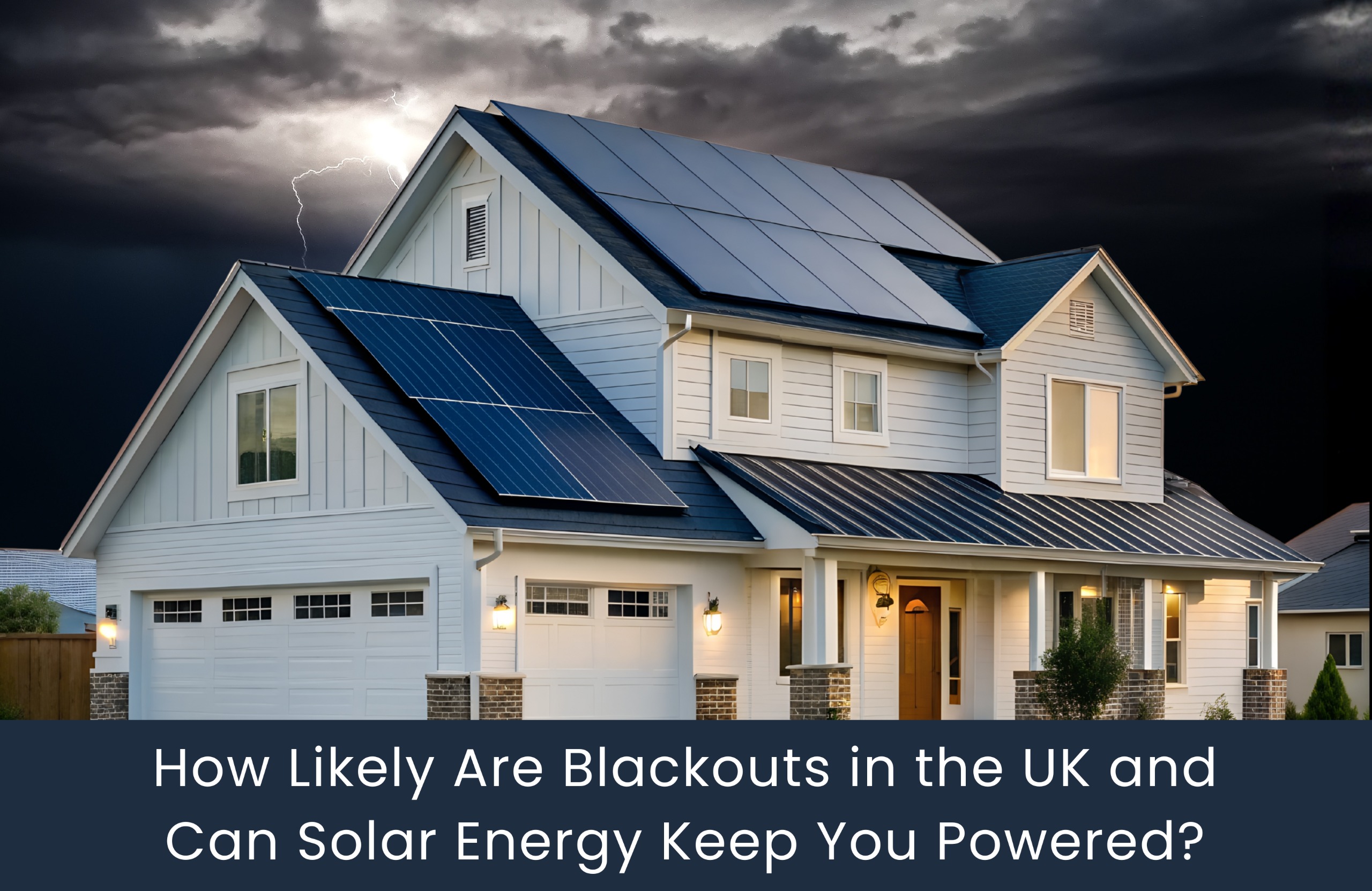
Most standard solar and battery systems shut down when the grid fails. This is a safety requirement. It prevents electricity from feeding back into power lines while engineers work on repairs.
There are two ways around this. You can go fully off-grid. Or you can install a grid-connected solar and battery system with backup capability.

These systems use a battery with emergency power supply functionality and a transfer relay. During a blackout, your home disconnects from the grid in a process called islanding. The system then creates its own internal power supply.
With the Best Solar Inverter UK, stored battery energy takes over automatically. If there is daylight, solar panels can continue charging the batteries even during the outage. Essential circuits such as lighting, refrigeration, and internet can stay live.
Is Backup Solar Worth The Cost
For most UK households, backup solar systems are expensive. They are usually not installed purely for blackout protection.
They do make sense if you experience frequent power cuts or rely on critical medical equipment. When properly designed, an emergency power system can deliver real peace of mind.
The Role Of Battery Storage In The UK Energy Future
As Renewable Energy grows, battery energy storage systems will become essential. Storage helps smooth fluctuations in supply and demand. It improves grid stability. It strengthens energy security.
The UK also needs a mix of storage technologies. Best Solar Batteries alone will not meet future demand. Pumped hydro, liquid air storage, and compressed air storage will all play a role. Improving energy efficiency across homes and businesses will further reduce pressure on the grid.
Grid Connection Challenges And Delays
The UK grid connection queue has grown rapidly. Last year saw over 1,700 new applications. Total proposed capacity now far exceeds what the country will need even by 2050. This has created delays and uncertainty for renewable and storage projects.
NESO and Ofgem are working to reform the system. Prioritizing projects that are ready to build is a key step. Faster collaboration will be essential to keep progress on track.
Why Grid-Forming Technology Matters
Wind and solar farms do not create natural inertia because they have no spinning turbines. As renewables increase, frequency becomes harder to control.
Grid-forming technology offers a solution. It provides synthetic inertia by releasing power in a controlled way. This helps stabilize frequency and reduce blackout risk. The technology is still developing, but it will be critical to a reliable renewable grid.
The Skills And Investment Gap
The global energy storage sector is growing fast, with forecasts above 20 percent annual growth. Even this may not be enough to meet future needs.
The industry faces technical, financial, and human challenges. Over the next 25 years, hundreds of thousands of skilled workers will be needed. Training, apprenticeships, and government-backed education programs must expand quickly.
Clear policy direction and stable markets will also be essential to attract long-term investment.
Are Blackouts Likely In The Future
Blackouts are far less common today than in the past. Prevention systems have improved significantly. Major outages still occur, usually due to extreme weather, but they remain rare.
At present, installing solar and batteries purely to protect against blackouts is not usually cost-effective. As the grid evolves, this may change. With the right technology and planning, the UK can move toward cleaner energy without sacrificing reliability.
Summary
If you are considering solar panels, battery storage, or backup power for your home or business, MAK Energy can help. If you have any questions related to solar systems, speak to MAK Energy today for practical advice, tailored system design, and future-ready energy solutions built for the UK grid. We offer free quotations and an online survey.