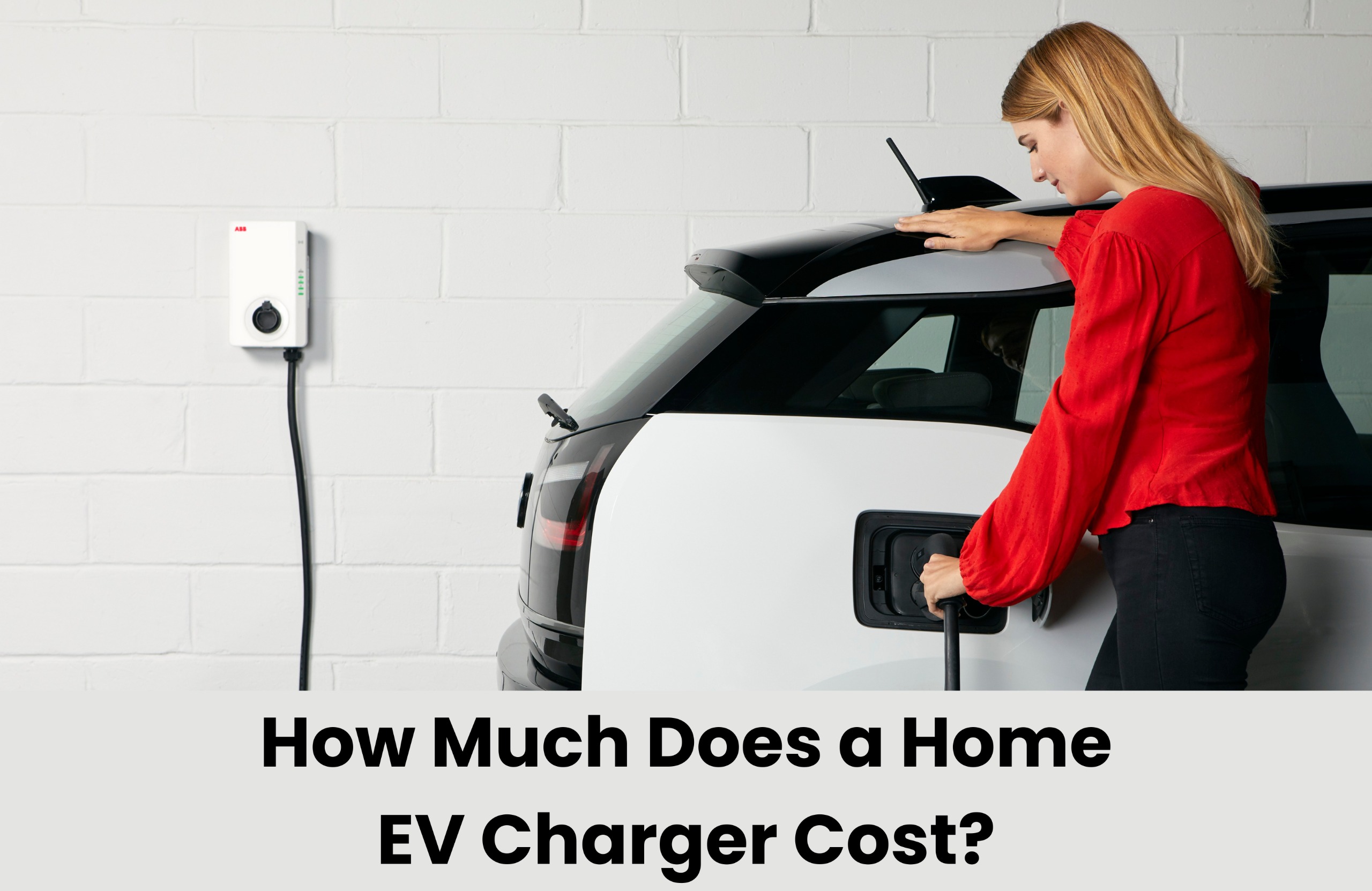
If you just bought an electric car, you will want to know what it costs to install a home charger. Public stations are helpful, but charging at home is more convenient. You plug in at night and wake up to a full battery.
Here is a clear overview of UK home charger prices, installation costs, and available grants.
Home EV Charger Cost in the UK
The old EVHS grant for homeowners ended in March 2022. It covered 75 percent of the cost up to £350. The current EV Charger Point Grant still covers up to 75 percent of the cost, up to £350, but only for tenants, flat owners, and landlords with off-street parking. Homeowners no longer qualify. You also cannot claim it if you have already used EVHS or if you are replacing or moving an existing charger.
There is another grant for homes with on-street parking if they install a council-approved pavement crossing system. All grants remain available until March 2026 and must be installed by an OZEV-approved installer.
Installation Cost of a Home EV Charger
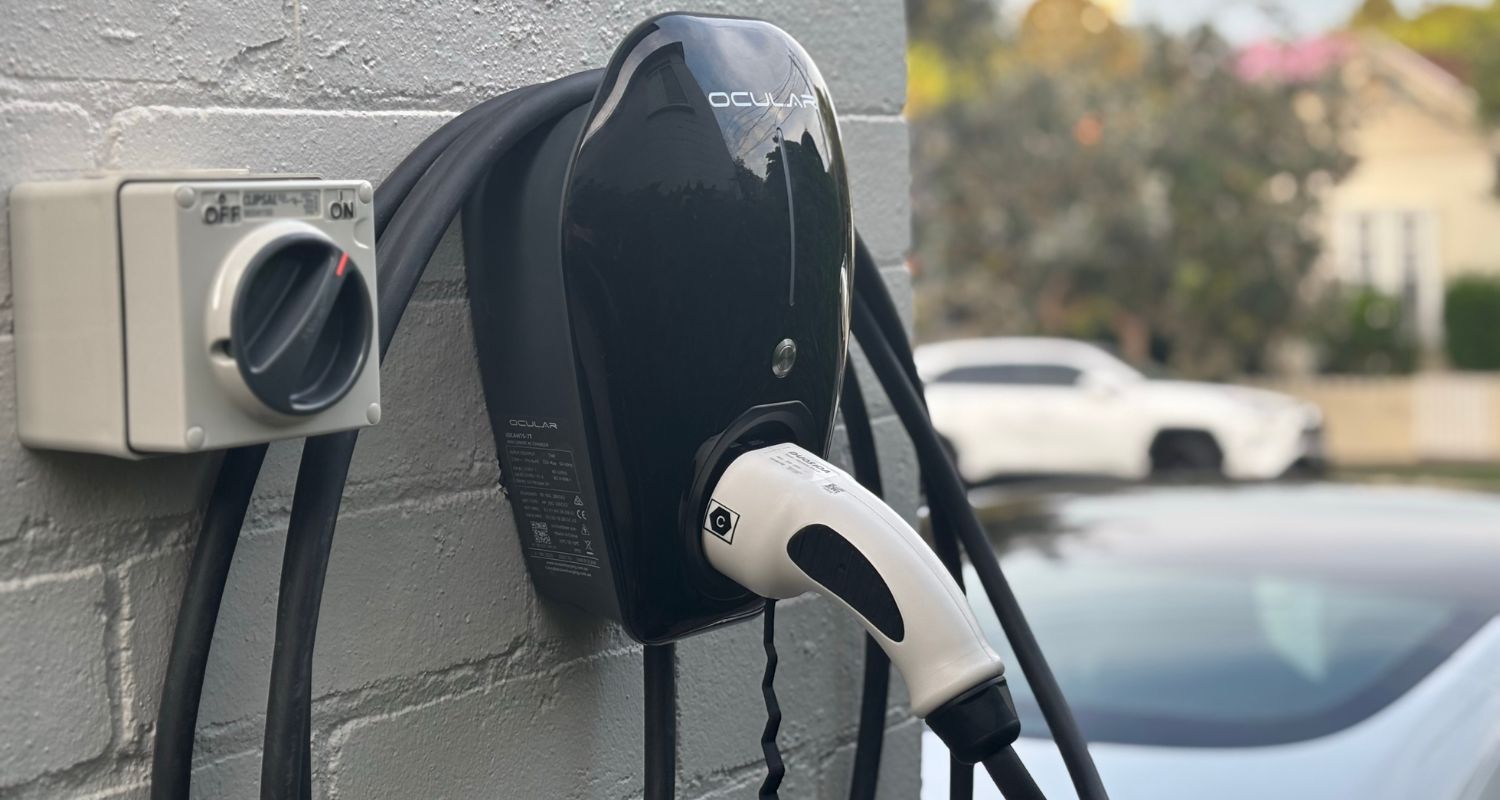
A standard 7 kW charger costs about £800 to £1,200, including installation. This is the most common option in UK homes. The package usually includes the unit, up to 10 meters of cabling, a fuse box connection, testing, and certification. If you qualify for a grant, the cost can be reduced to approximately £760.
Faster 22 kW chargers cost more and require three-phase power. Most UK homes run on single-phase. Upgrading your supply can cost between £3,000 and more than £15,000, depending on your location.
Get more information from Top 21 Best EV Charging Apps in the UK – 2024
Average Costs by Charger Type
- 3 kW chargers: £700–£900
- 7 kW chargers: £800–£1,200
- 22 kW chargers: £1,200–£2,200 or more
Factors Affecting Installation Cost
Charger Power: The biggest factor.
- 3 kW units give 8–15 miles per hour and take 10–12 hours to fully charge.
- 7 kW units give 25–30 miles per hour and charge in 6–8 hours.
- 11–22 kW units need three-phase and cost more to install.
Other factors:
Long cable runs add £10–£20 per meter. Digging work adds £200–£500. Fuse box upgrades cost £300–£600. Three-phase upgrades cost £2,000–£5,000. Extra earthing adds £150–£300.
Smart Chargers: Cost £100–£300 more but allow scheduling, usage monitoring, and off-peak charging. Some integrate with solar systems and load balancing.
Brand and Region: Budget brands like Project EV and Rolec cost less, mid-range options like Ohme Home Pro cost moderately, while premium units like Wallbox Pulsar Plus or Zappi cost more. London and Southeast UK are 10–15% higher than average; northern regions are 5–10% lower.
Please note that if you buy the charger separately, an electrician typically charges £300–£500 for fitting. Most EV charger packages already include labour.
Are Home EV Chargers Worth It?
Yes. A 7 kW charger fully charges your EV overnight. You recover the installation cost in about two years. Home charging is 77% cheaper than public charging, saving an average of £467 per year. Off-peak tariffs cut costs further, with a full charge costing as little as £5–£7. EV charging at home costs about half as much as fueling a petrol car. Home chargers also increase property value, as buyers prefer EV-ready homes.
Which is better: 3 kW or 7 kW?
Most drivers choose a 7 kW charger because it balances cost, speed, and practicality. It can charge an electric car overnight, making it ideal for daily use. A 3 kW unit is slower, providing only 8–15 miles of range per hour, and is suitable for plug-in hybrids or drivers who travel very short distances each day. For households with regular commuting or daily driving, a 7 kW charger is more efficient and convenient, saving both time and money in the long run.
Can You Get a Free Charger?
Fully free home EV chargers are no longer available. However, you can still reduce costs by up to £350 through the OZEV grant if you qualify. This applies to tenants, flat owners, and landlords, but not to private homeowners. While it doesn’t cover the full cost, it helps lower the installation expense and makes upgrading to a home charger more affordable.
How to Choose the Right Home Charger
Check charging speed, smart features, safety standards, and compatibility with your vehicle. Make sure installation is included and the installer follows the Smart Charge Points Regulations 2021.
MAK Energy supplies and installs reliable home and business EV charging solutions across the UK, offering high-quality hardware, safe installation, and ongoing support.
Final Words
Installing a home EV charger makes owning an electric car simple and cost-effective. The upfront cost is offset by convenience, long-term savings, and added property value. A 7 kW charger suits most homes, providing fast overnight charging and lower running costs. Choosing the right charger and installer ensures safety, efficiency, and long-term reliability.
FAQs
What is the cheapest home EV charger in the UK?
Basic models start from around £500–£600 without installation.
Can I get a smart EV charger?
Yes. Smart chargers let you schedule charging at off-peak times and monitor usage via an app. They cost slightly more but save money over time.
Is it cheaper to charge at home?
Yes. Charging at home can save about £467 per year compared to public stations. Off-peak tariffs reduce costs even further.
Can I plug my EV into a normal socket?
You can, but it is very slow. A standard 3-pin plug charges at roughly 2.3 kW and can take over 24 hours for a full charge.