Most people assume solar is simple: stick some panels on the roof, plug them in, job done. And to be fair, that’s how it gets sold sometimes. But anyone who’s been through a proper installation or had to fix a botched one knows that what happens before a single panel goes up is just as important as the panels themselves.
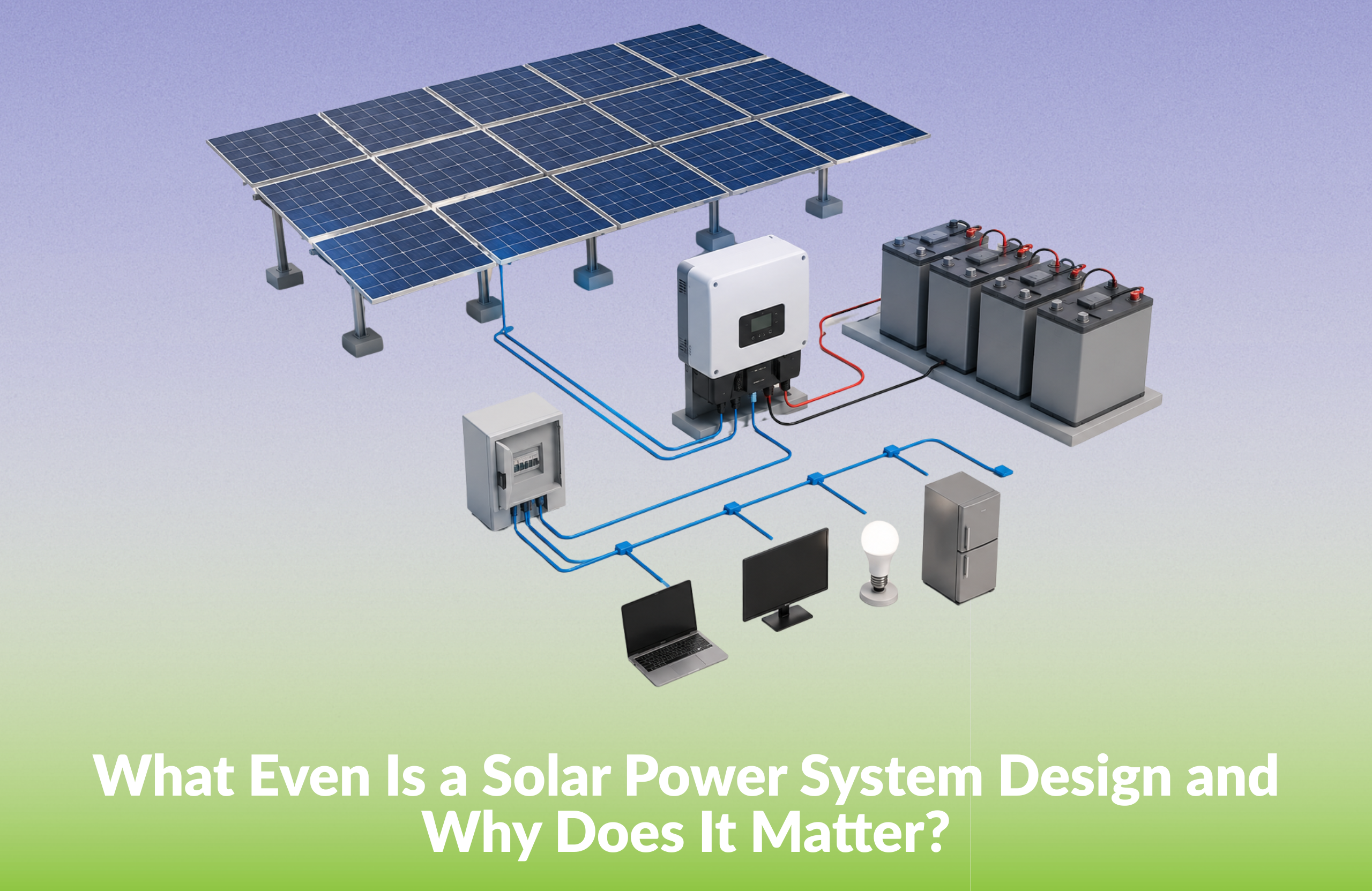
Solar system design is the process of working out exactly what your system needs to do, how it should be configured, and how it connects to your property and the grid. It covers everything from how many panels you actually need to which direction they should face, to what size inverter suits your load profile. Get it right, and you’ve got a system that quietly does its job for 25+ years. Get it wrong, and you’re looking at underperformance, unnecessary costs, or in some cases, a system that trips out every time the weather turns.
At MAK Energy, this is where every project begins, not with a quote, but with a conversation about what the system actually needs to achieve.
What Goes Into Designing a Solar System for a Home or Business?
The honest answer is “quite a lot.” But the process follows a logical sequence, and once you understand it, the reasoning makes sense.
The first thing we look at is your energy consumption. Do not estimate your actual usage data. For homes, that usually means your annual kWh figure from your energy bills. For businesses, it’s more detailed: we want to understand when you use the most power, which appliances or processes are the biggest draws, and whether there are any peak demand periods we need to account for.
From there, we look at your site. Roof pitch, orientation, shading from surrounding buildings or trees, and available space all feed into the design. A south-facing roof at 35 degrees is going to perform very differently from an east-west split at 15 degrees. Neither is necessarily wrong, but they require different approaches.
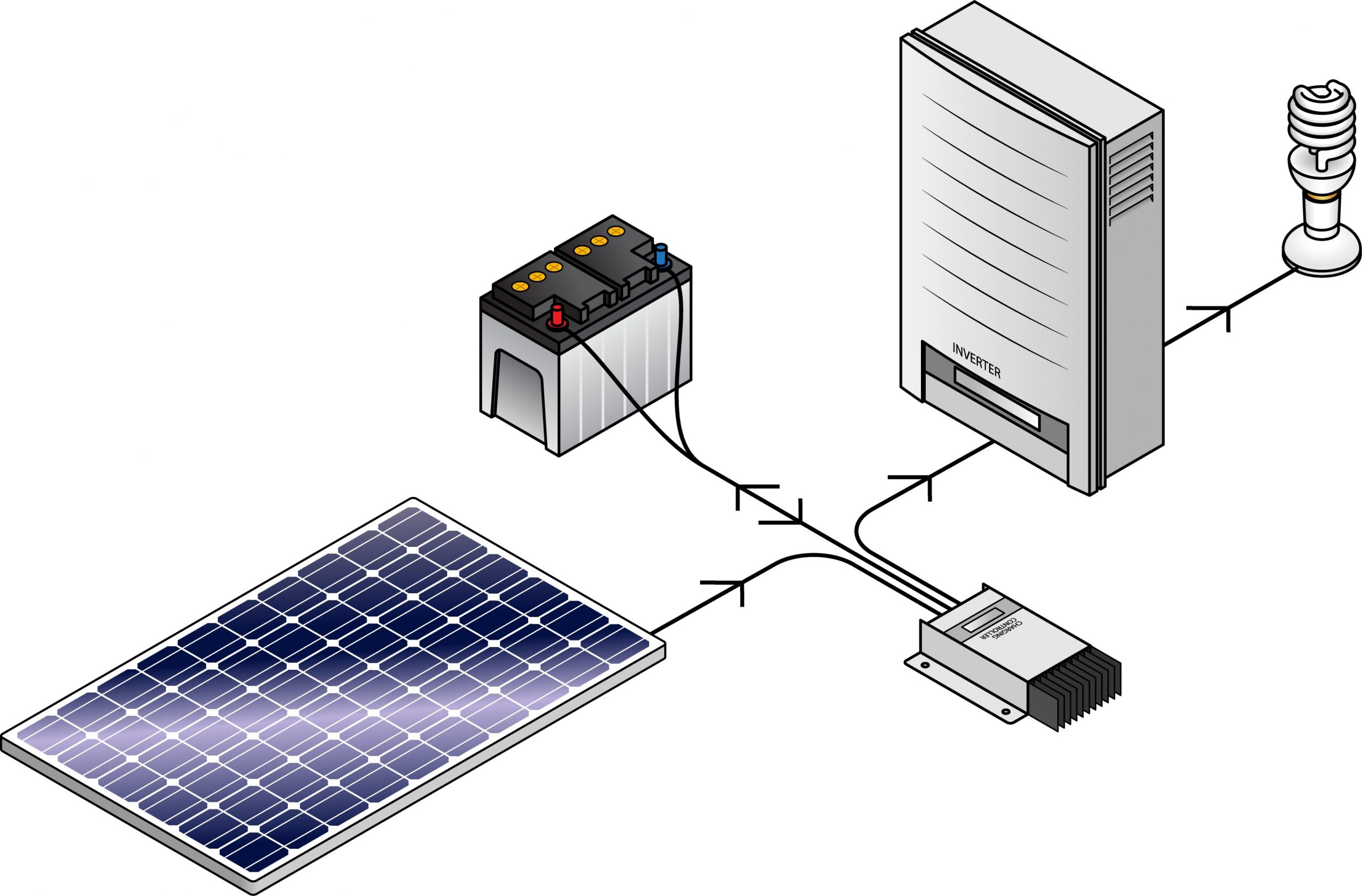
Then there’s the equipment. Panel selection matters more than people realize. The efficiency rating, the degradation curve, and the warranty terms all affect how the system performs over time, not just in year one. The same goes for the inverter. String inverters work well in straightforward installations; micro-inverters or power optimizers may make more sense where shading is an issue, or the roof geometry is complicated.
Finally, there’s the grid connection side: whether you’re exporting, what the local network will allow, and how the system ties in with any battery storage or EV charging you’re planning.
How is Large-Scale Solar Power System Design Different?
Everything described above still applies at commercial and industrial scales, but the complexity goes up considerably, and the stakes are higher.
A large-scale solar installation might cover a warehouse roof, a car park canopy, agricultural land, or a combination of all three. At that scale, you’re not just thinking about kilowatts, you’re thinking in megawatts. The grid connection becomes a project in itself, often involving applications to the Distribution Network Operator and sometimes significant infrastructure upgrades.
Structural assessments become essential. A flat commercial roof that looks perfectly serviceable may need reinforcement to handle the additional load. Ballasted mounting systems reduce the need for roof penetrations but add weight, so the building structure has to be modelled carefully.
The financial modelling is also more involved. Large-scale systems are often partly driven by the economics: return on investment, payback periods, Power Purchase Agreements, and, in some cases, income from grid services. Getting the design right means understanding not just the technical performance of the system but how it behaves financially over a 20 to 30-year horizon.
MAK Energy works across both residential and commercial projects precisely because we understand that these aren’t the same job. The principles overlap, but the execution is entirely different.
Does Shade Really Kill Solar Panel Performance That Much?
More than most people expect, yes. Even partial shading on a small section of a panel can drag down the output of an entire string, depending on how the system is wired. This is one of the reasons system design matters so much. A layout that ignores shading issues won’t just underperform on overcast days; it can significantly reduce output during the sunniest hours of the year, which is precisely when you want the system working hardest.
Modern design tools allow us to model shading across the year using 3D simulations of your site. We can test different panel configurations, string arrangements, and equipment choices to see which combination delivers the best real-world performance, not just the best number on paper.
Can You Add Battery Storage and EV Charging Into the Design?
Absolutely, and increasingly this is what people are asking for from the outset. It makes good sense to think about these things at the design stage rather than bolting them on later.
Solar Battery storage changes how you size the system. If you’re storing energy rather than exporting it all, you can potentially justify a larger array. It also shifts the economics; you’re making more use of the power you generate rather than selling it back at a lower rate than you’d pay to buy it.
EV charger integration introduces its own design considerations: charging speed, whether you want smart charging that responds to solar generation, and load management to avoid overloading your supply. Done properly, your solar system, battery, and EV charger work as a single coordinated setup. Done without planning, you can end up with components that don’t communicate well and a system that doesn’t behave the way you expected.
Why Should I Choose MAK Energy for My Solar Installation?
We’re not going to oversell this. Solar has become a crowded market in the UK, and there are plenty of installers who’ll give you a fast quote and get panels on your roof in a matter of weeks. That might be exactly what you need for a simple, straightforward installation.
What MAK Energy offers is a more considered approach. We take the time to understand your situation before we start talking about equipment. We design systems that are built around your actual energy needs, not a generic template. And we’re transparent about what you can realistically expect, including honest conversations about payback periods and what government incentives are actually available to you.
For larger and more complex projects, that rigour really matters. A poorly designed large-scale system is an expensive problem to fix. Getting the design right at the start is almost always cheaper than correcting it later.
If you’re thinking about solar, whether for your home, your business premises, or a larger site, get in touch with MAK Energy. We’ll start with the questions before we get to the answers.
FAQ
How long does a solar power system last?
Most quality solar panels carry a 25-year performance warranty and can last well beyond that. Inverters typically need replacing after 10–15 years.
How much can I save on my energy bills with solar?
It varies depending on your usage and system size, but UK homeowners typically save between £600 and £1,000 per year — more if you add battery storage.
Does MAK Energy handle the grid connection and paperwork?
Yes, completely. We manage the DNO application, MCS certification, and any other compliance requirements so you don’t have to deal with it yourself.