The Science Behind How Do Solar Panels Work
At its core, a solar panel simply changes light into electricity. That is the basic idea. The interesting part is how this happens.
Sunlight carries energy. When this energy reaches the surface of a solar panel, it interacts with a special material inside the panel. This interaction causes very tiny particles to start moving. These particles are called electrons. When electrons move, electricity is produced.
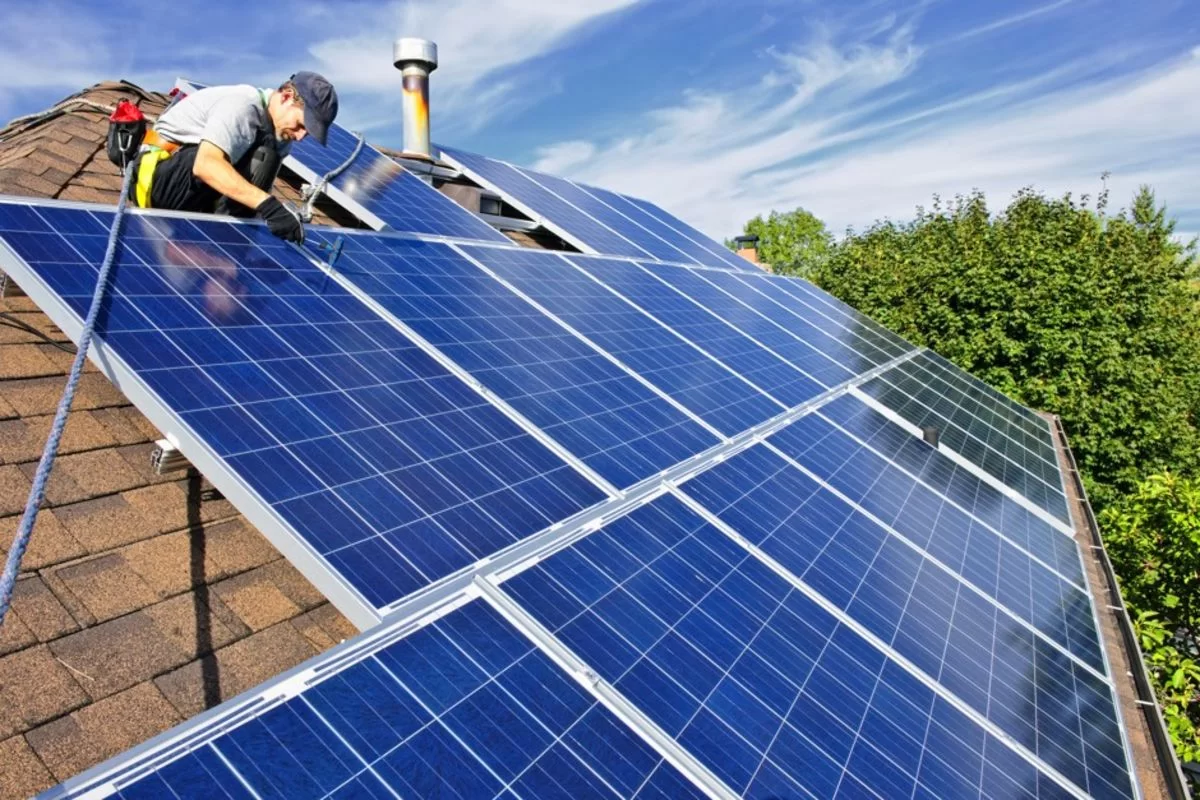
The photovoltaic effect, how solar panels convert sunlight into electricity
The process that allows solar panels to produce electricity is known as the photovoltaic effect. The name may sound technical, but the idea is quite simple.
Each solar panel contains many small units called solar cells. These cells are designed to absorb light. When light hits the surface of these cells, energy from the light pushes electrons out of their normal position. Once they move, an electric current begins to form.
Thin metal lines inside the solar cell collect this current and pass it into wires connected to the system. At this stage, electricity has already been created using daylight alone.
The Role of Semiconductors in Solar Panels
The reason solar panels work on a house is because of a material called a semiconductor. Silicon is the most common choice for this, and it is used because it is tough and can last for decades. A semiconductor is unique because it sits right between a metal and an insulator, allowing us to control exactly how electricity moves through it.
Inside a solar cell, the silicon is layered in a way that creates a permanent electrical path. When daylight reaches these layers, the electrons follow that path to create a circuit. This specific setup is the reason why a solar panel can sit on your roof for thirty years without needing any repairs or having any parts wear out. It is a solid and reliable way to generate power from the environment.
How Electrons Work in Solar Panels
Electricity is really just the movement of electrons from one place to another. In their normal state inside a panel, electrons are still. But when light energy arrives, it acts like a kick, sending them into motion. Once they are moving, we can capture that energy and use it to power our lives.
As these electrons flow through the cell, they are caught by tiny metal grids on the surface and guided into the wiring. This steady stream of moving particles is exactly what runs your fridge or charges your phone. This process happens billions of times every second providing a reliable source of power that only stops when the world goes dark at night.
The Main Parts of a Solar Panel
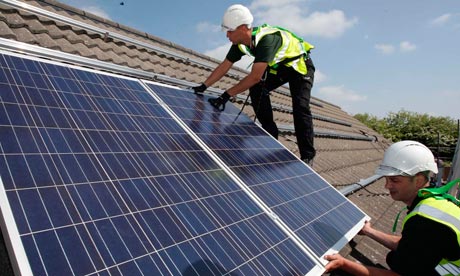
What Are Solar Cells and How Do They Work
The small squares you see on the surface of a panel are the individual solar cells. Each cell produces a small amount of power, so we connect them all together to create a panel that can handle the needs of a modern home. These cells are the actual engines where the energy conversion takes place.
Modern cells are now more sensitive than ever, which is great for the UK. They are designed to respond to different types of light, which means they can still produce power on a hazy or overcast day. This constant improvement in cell design is why solar has become such a practical choice for British homeowners who want to lower their bills.
The Role of Glass on Solar Panels
The glass on a solar panel isn’t like the glass in your windows. It is specifically made to be very clear so it doesn’t reflect light away. Instead, it helps pull the light down into the cells where it can be turned into power. This glass also acts as a suit of armour for the system.
It is tough enough to handle falling debris and the constant expansion and contraction that happens as the weather changes. Because the glass is so effective, the sensitive electrical parts inside stay safe and dry for decades. It is a critical part of making sure the system remains a long-term investment for your home.
How Solar Panels Convert Direct Current to Alternating Current
The electricity that your panels produce is called direct current, but your home runs on alternating current. This is why every system needs an inverter. The inverter takes that raw power from the roof and changes it into the right format for your appliances.
Once the inverter does its job, the electricity flows into your home just like the power you buy from the grid. Some people also add a battery to their system so they can save any extra power they make during the day. This lets you use your own solar energy at night after the sun has gone down, which makes the whole system even more efficient.
Factors That Affect Solar Panel Performance
A few things can change how much power you get from your roof. The direction your house faces is important, with south-facing roofs usually getting the most light. However, east- and west-facing roofs are also great because they can provide power in the morning and afternoon when you are actually at home.
Shading is the other big factor. A shadow from a nearby tree or a chimney can act like a block for the energy, so professional installers plan the layout carefully to avoid these spots. The angle of your roof also helps the panels catch as much light as possible throughout the day.
Solar Batteries and Energy Storage
Adding a Solar Battery to your solar system is a game-changer for most UK homes. It allows you to store the extra energy you make while you are at work and then use it in the evening to run your lights and appliances. This keeps you from having to buy expensive electricity from the grid at night.
Solar Batteries give you a lot more independence and make sure that none of the power your roof produces goes to waste. It is the best way to get the most value out of your investment and protect yourself from rising energy prices in the future.
Maintenance and Lifespan
One of the best things about solar is how little work it requires. Because there are no moving parts, there is almost nothing to fix. Most systems last for at least twenty-five to thirty years with very little drop in performance.
In the UK, the rain actually helps keep your panels clean by washing away dust and bird droppings. Aside from an occasional check to make sure no new trees are shading the roof you can basically just let the system do its thing. It is a very simple and reliable way to power a home.
Why MAK Energy is the Right Partner for Your Solar Journey
Whether you are looking to cut your monthly utility bills or gain true energy independence for your home, MAK Energy is here to make that transition seamless. Our team of specialists is ready to design a high-efficiency solar system tailored to the UK’s unique daylight conditions. Take the first step toward a smarter and greener future by contacting MAK Energy today for a personalized consultation and a free quote.
FAQs
Do solar panels work on cloudy days in the UK?
Yes, because solar panels thrive on daylight rather than direct heat, so they continue to generate electricity even when the sky is overcast.